


Last weekend, I went snow tubing for the first time at Mountain Creek in Pennsylvania. What stood out most wasn’t just the fun, it was how deeply supportive the experience felt for stress reduction, nervous system regulation, and mental wellness, especially in the heart of winter.

I love trying new things. Novelty energizes me and helps me stay engaged with life. And while I still prefer warmer temperatures, I’ve learned that being intentional during winter is essential, particularly when it comes to reducing chronic stress, supporting mental health, and caring for Highly Sensitive Persons (HSPs).
Winter can quietly tax the nervous system.
This experience reminded me that wellness doesn’t disappear when temperatures drop, it simply asks us to approach it differently.
Why Winter Can Increase Stress (Especially for HSPs)
Shorter days, colder weather, and disrupted routines can gently but steadily:
- Elevate baseline stress levels
- Increase nervous system dysregulation
- Lower stress resilience
- Intensify emotional and sensory overwhelm in HSPs
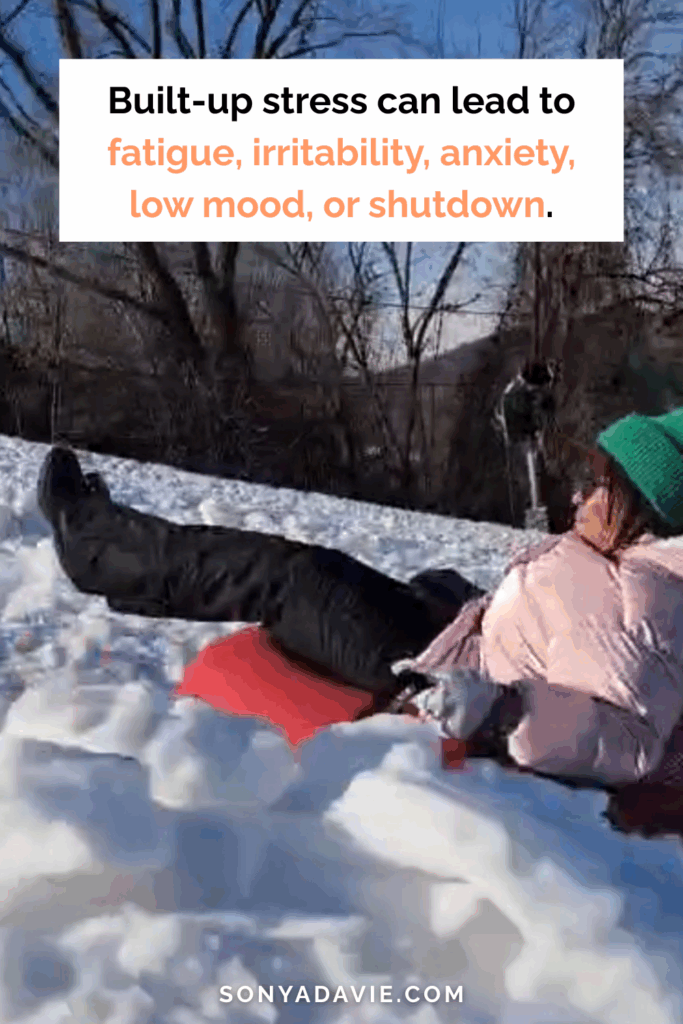
When stress accumulates without release, it often shows up as fatigue, irritability, low mood, anxiety, or shutdown, classic patterns commonly seen in both Seasonal Affective Disorder (SAD) and chronic stress cycles.
This is why intentional stress reduction matters just as much as emotional support during the winter months.
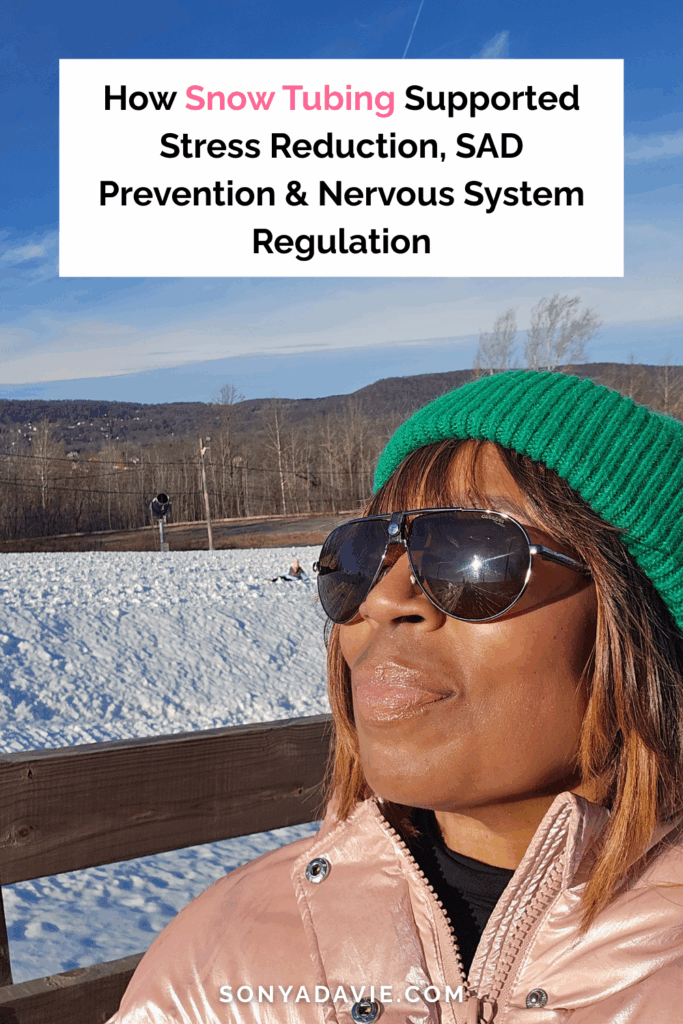
How Snow Tubing Supported Stress Reduction, SAD Prevention & Nervous System Regulation
1. Novelty Lowers the Stress Load
Trying something new gently shifts the brain out of threat-based patterns.
Novelty:
- Activates dopamine, often depleted by chronic stress and SAD
- Reduces mental rumination
- Signals safety through curiosity and engagement
- Restores a sense of aliveness
For HSPs, chosen novelty (playful and non-pressured) can be deeply regulating.
2. Outdoor Light & Nature Reduce Stress Hormones
Natural daylight and outdoor exposure help:
- Lower cortisol
- Improve sleep quality
- Support circadian rhythm balance
- Reduce depressive and stress-related symptoms
Even brief outdoor time in winter helps counteract the stress effects of prolonged indoor living.
3. Cold, Fresh Air as a Gentle Reset
Cold air naturally encourages slower, deeper breathing, which:
- Activates the parasympathetic nervous system
- Lowers heart rate
- Improves emotional regulation
- Supports vagal tone
Each breath felt like my body shifting out of “high alert” and into a calmer, more grounded state.

4. Laughter: One of the Fastest Stress Reducers
Laughter is one of the fastest ways to release stress stored in the body.
It:
- Lowers cortisol and adrenaline
- Releases endorphins
- Signals safety to the nervous system
- Strengthens social bonds
For sensitive nervous systems, laughter helps discharge stress without needing words or analysis.
5. Playful Movement Releases Stored Stress
Snow tubing offered movement without the pressure of performance. This kind of movement:
- Releases muscle tension
- Supports mood chemistry
- Helps regulate stress hormones
- Feels accessible and safe for HSPs
Playful movement is especially powerful for stress recovery because it tells the body: you are safe enough to enjoy yourself.
Additional Stress-Reducing Benefits I Noticed
- Present-moment focus: Cold and movement reduce mental looping
- Social co-regulation: Shared joy calms the nervous system
- Sensory regulation: Rhythmic motion and fresh air restore balance
- Emotional resilience: Enjoying mild discomfort builds stress tolerance
Learning to Appreciate the Cold as Stress Adaptation
While I still prefer warmer temperatures, this experience reinforced something important: resisting winter often increases stress, while adapting to it reduces stress.
When we stop fighting the season and start working with it, the nervous system responds with more flexibility and balance, especially for HSPs and trauma-aware bodies.
Why Intentional Winter Stress Reduction Matters
Winter is not a time to “push through” stress, it’s a time to recover from it.
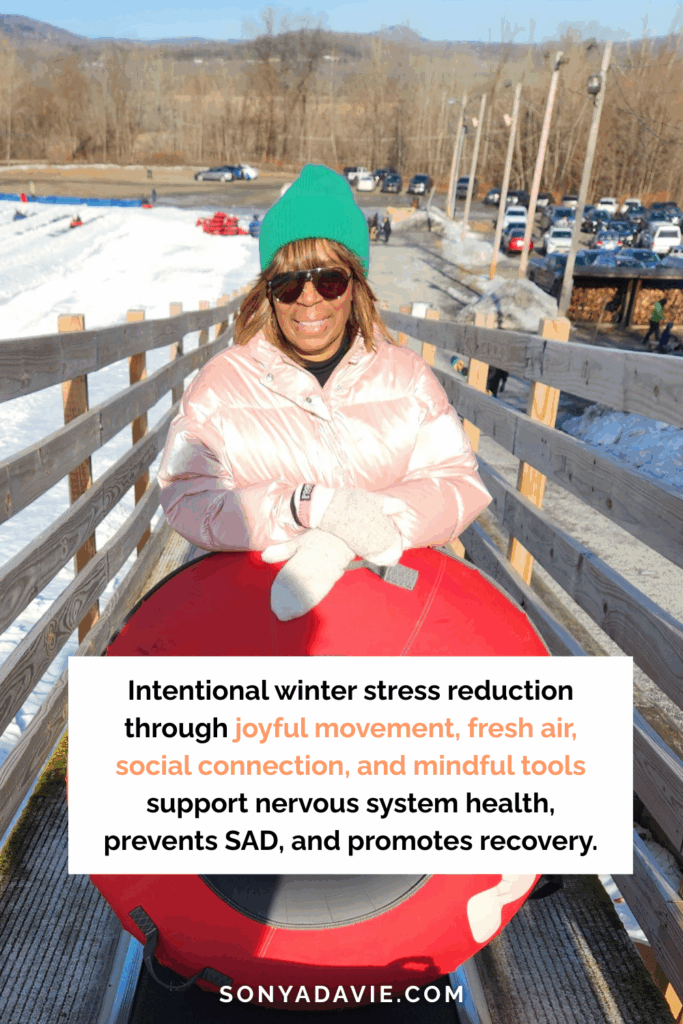
For stress reduction, SAD prevention, and nervous system health, intention might look like:
- Scheduling joy and gentle novelty
- Prioritizing daylight and fresh air
- Choosing movement that feels safe and playful
- Staying socially connected
- Using tools that help the nervous system reset
Snow tubing wasn’t just recreation; it was active stress recovery.
And I have to say… having the right gear makes winter activities like this even more restorative, safe, and enjoyable.
❄️ Winter Sports Essentials
These essentials are must-haves to stay cozy, comfortable, and fully present during snowy adventures.
Top Winter Sports Essentials:
- Heated Ski Socks – Keep your feet warm and circulation supported all day.
- Thermal Gloves – Protect your hands from cold without losing functionality.
- Insulated Down Jacket – Lightweight warmth that moves with you.
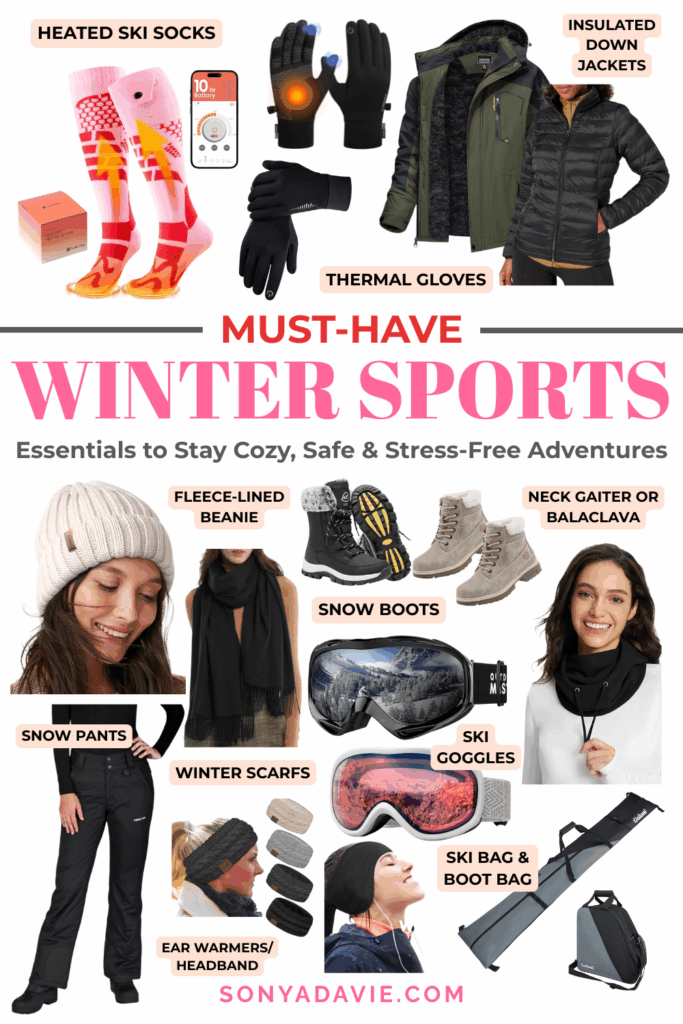
- Fleece-Lined Beanie – Soft, warm, and perfect for sensitive skin.
- Neck Gaiter or Balaclava – Shield your face and neck from wind and chill.
- Snow Pants – Comfortable, flexible protection from snow and moisture.
- Slip-Resistant Snow Boots – Protects against icy, slippery surfaces.
- Ski Goggles – Anti-fog and UV protection for clear vision on sunny or snowy days.
You can grab these winter must-haves on Amazon to make your snow adventures safer, cozier, and more restorative.
Ending your winter activities with the right gear transforms them from simple recreation into a mindful, playful practice that supports stress relief, nervous system regulation, and overall mental wellness.





+ show Comments
- Hide Comments
add a comment