


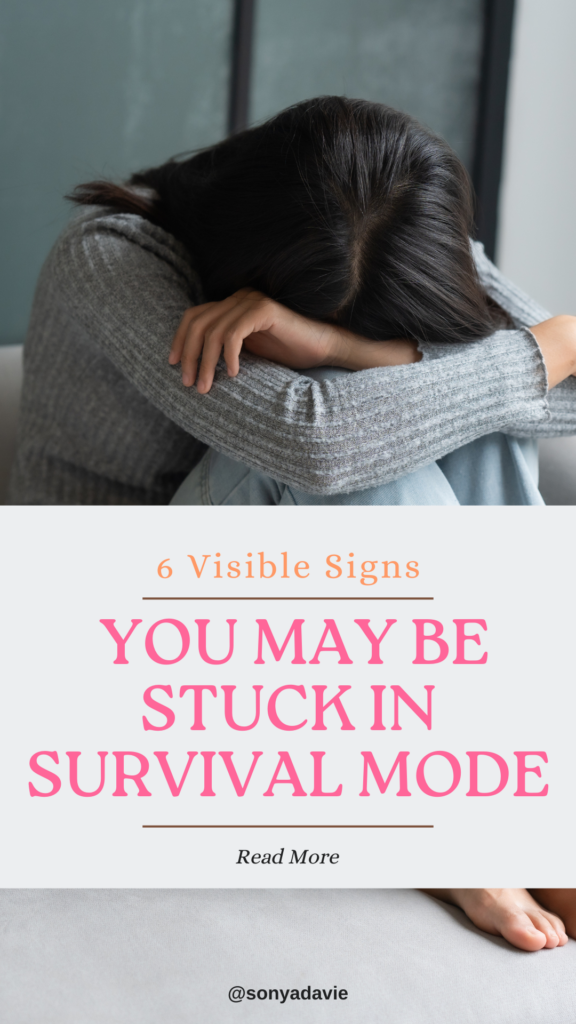
Stress doesn’t just live in your thoughts, it leaves visible fingerprints on your body.
When the nervous system stays in survival mode for too long, stress hormones like cortisol and adrenaline remain elevated. Over time, the body begins to reorganize itself around protection and survival rather than repair and balance.
For many people, this isn’t just something you feel internally. It becomes something you can see in the mirror or feel in your posture, muscles, and energy levels.
If you’ve ever looked at your body and thought, Something feels different lately…
Your body may simply be communicating the long-term effects of chronic stress.
Let’s talk about some of the ways chronic stress can show up physically.
How Chronic Stress Shows Up On Your Body
1. Upper Back Changes and Posture Shifts
One of the most noticeable areas where stress accumulates is the upper back and neck.
Over time, you may notice:
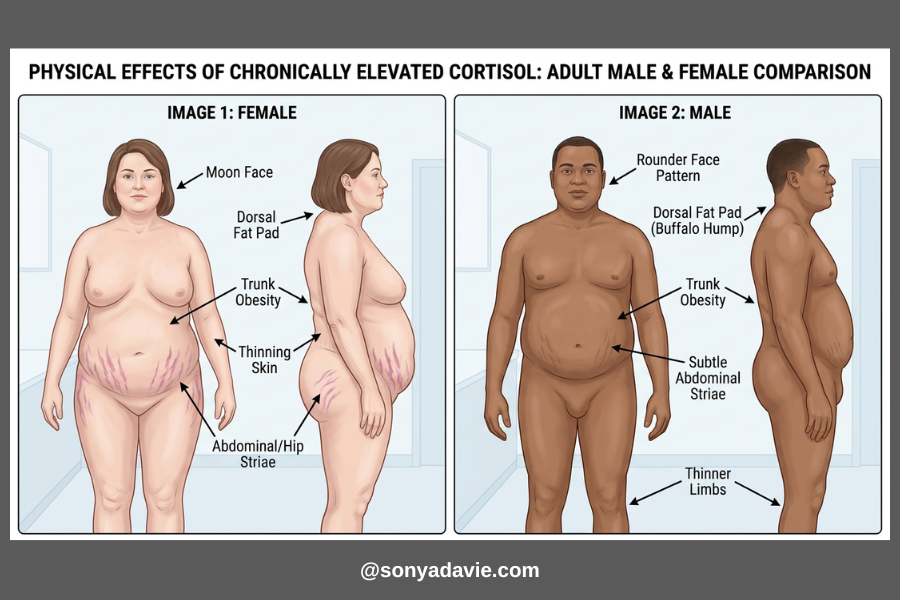
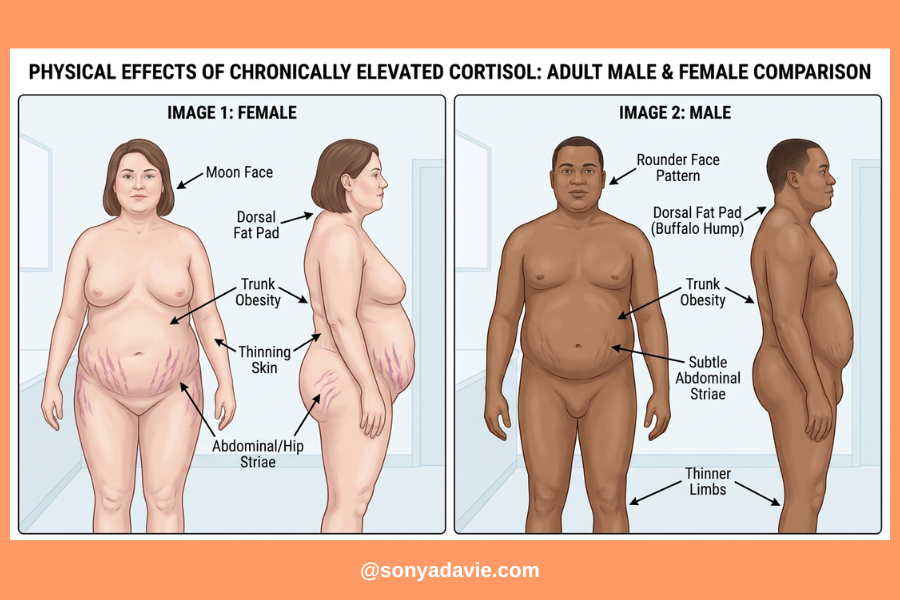
- A visible fat pad at the base of the neck or between the shoulders (sometimes called a “hump” or dorsal fat pad).
- Shoulders rounding forward as the chest collapses inward.
- The head juts slightly forward rather than resting over the spine.
- A more pronounced curve in the upper back creating a slightly hunched appearance.
It can feel like you’re carrying the weight of the world on your shoulders, and physiologically, that’s not far from the truth.
Years of bracing, sitting in tension, and operating in a fight-or-flight state can gradually reshape posture and muscle patterns. The body adapts to the position it spends the most time in:
guarded, tense, and ready for stress.
2. Belly-Centered Weight Changes
Chronic stress can also influence where the body stores fat.
Visibly, you might notice:
- More fullness around the abdomen
- Weight accumulating around the waistline
- Clothing fitting tighter around the midsection but looser in the arms or legs
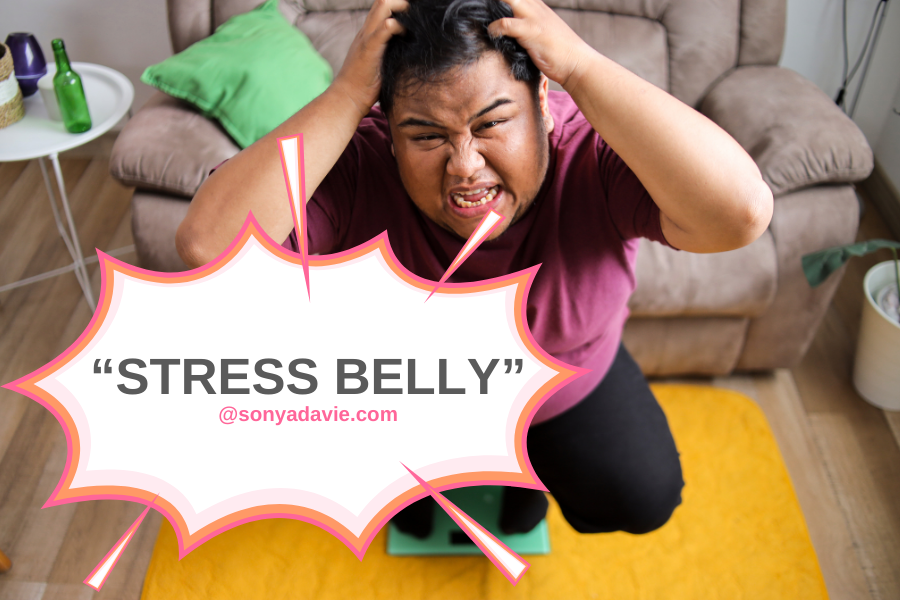
This is often referred to as “stress belly.”
And importantly, it’s not simply about eating habits or willpower.
When hormones esp. cortisol, remain elevated, the body tends to store more fat around vital organs as a “protective” mechanism. From a survival perspective, the body believes it’s preparing for prolonged stress.
Your body is not working against you, it’s trying to keep you safe.
3. Changes in the Face and Neck
For many people, the face is the first place they notice stress-related changes.
You might see:
- Puffiness in the cheeks
- A fuller or rounder face (sometimes described as a “moon face”)
- Swelling around the jawline
- Less definition between the jaw, neck, and upper shoulders
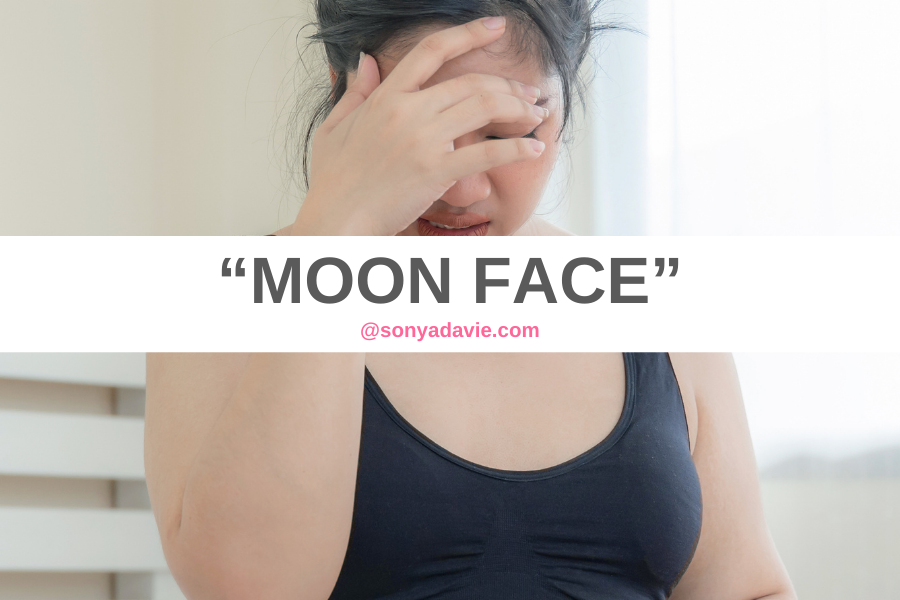
Some people describe this as looking “puffy,” “inflamed”, or tired-looking, even when they are trying to take care of themselves.
Again, this is often related to fluid retention, inflammation, and hormonal shifts linked to chronic stress.
4. Skin Changes and Texture
Your skin is another place where stress often leaves clues.
You might notice:
- Skin that bruises more easily
- Thinner or more fragile skin
- Wide, pink or purple stretch marks appear on the abdomen, hips, thighs, breasts, or underarms as weight redistributes.
- Blemishes or irritation that take longer to heal
Chronic stress increases inflammatory activity in the body, which can affect collagen, healing speed, and overall skin resilience.
Sometimes people say,
“My skin looks like it’s aging faster than I am.”
Often, it’s simply responding to a nervous system that has been overworking for too long.
5. Muscle Loss and the “Heavy but Weak” Feeling
One of the more confusing experiences people report is this:
Their body may look heavier, but they feel physically weaker. Stress can create this odd combination.
Visibly and physically, you may notice:
- Less muscle definition in the arms, shoulders, or legs
- A softer appearance where there used to be strength
- Daily activities feel more exhausting
- Reduced stamina when walking, climbing stairs, or lifting items (carrying groceries)
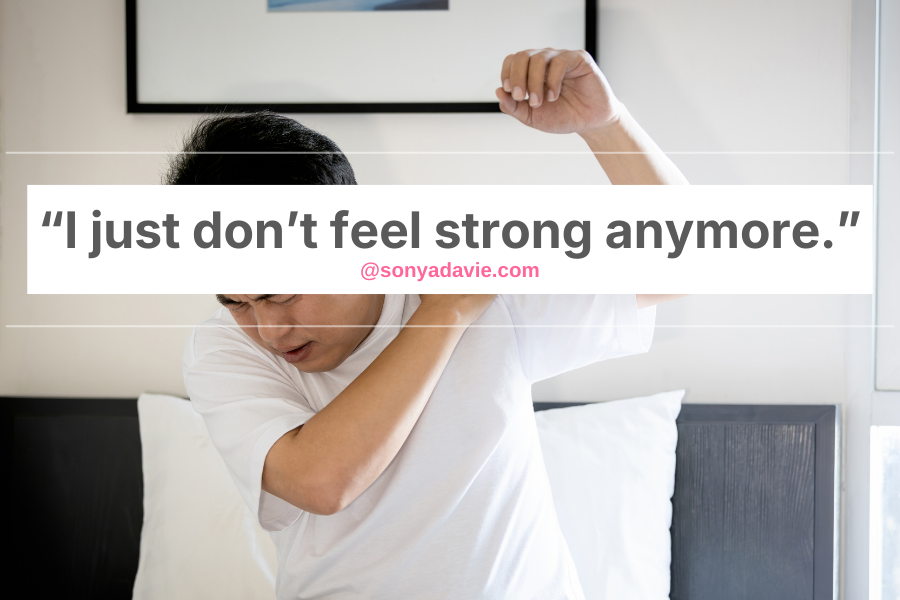
Long-term stress can break down muscle tissue while increasing fat storage, which can create this heavy-but-tired feeling many people experience.
6. The Overall “Stress Body” Posture
When all of these pieces come together:
tight shoulders, forward head posture, belly tension, shallow breathing, and stiff hips
You begin to see a pattern often referred to as “stress body.”
This posture often includes:
- Chest and heart slightly closed in.
- Breath staying high in the chest instead of dropping into the belly.
- Hips stiff, knees locked, glutes underused.
- The sense that your body is “on guard,” even when you’re just standing still.
You don’t have to understand hormones or nervous system science to recognize this posture.
You can feel it in yourself, and you can often see it in others.
Your Body Is Communicating, Not Betraying You
If you recognize some of these signs in your own body (hump back, stress belly, facial puffiness, skin changes, weak muscles, collapsed posture), it means your body has been working very hard to protect you.
“I’ve been in survival mode for a long time. I need a different kind of support.”
This isn’t about shaming how your body looks. It’s about learning to read the visual cues and understanding that your system is overworking to keep you safe.
The Good News: These Patterns Can Change
The body is incredibly adaptable.
When we begin supporting the nervous system, lowering chronic stress signals, and helping the body feel safe again, many of these patterns can gradually shift.
Posture improves.
Inflammation decreases.
Energy returns.
Strength rebuilds.
Healing doesn’t come from forcing the body harder… It comes from teaching the body how to exit survival mode.
Ready to Start Changing the Picture?
If you’re reading this and thinking,
“This sounds exactly like what my body has been going through.”
You don’t need another extreme workout program or restrictive diet. What you may need instead is a structured way to help your nervous system recover from chronic stress.
That’s exactly why I created the Stress Recovery Toolkit (Beginner Course).
Inside the Stress Recovery Toolkit, you’ll learn how to:
- Understand how stress affects your body and nervous system
- Begin calming chronic fight-or-flight patterns
- Support hormone balance and energy regulation
- Build simple daily habits that help your body shift from survival to recovery
If your body has been carrying the visible impact of stress, this course will help you begin changing that pattern… gently and sustainably.
You don’t have to stay in survival mode “stress” forever.
Your body is capable of learning a new pattern: one of safety, softness, and sustainable strength.





+ show Comments
- Hide Comments
add a comment