


If everyone is talking about “fresh starts” and “spring energy” while you feel more anxious, low, or even quietly wondering if life is worth it, what you’re feeling is valid, real, and worth taking seriously.
In fact, research shows that suicide rates actually rise in the spring, especially between April and June, not in the darker winter months as many people assume. (Source)
As a functional psychiatrist, I often describe spring as a kind of “stress test” for your entire system: your brain, body, nervous system, hormones, and even your sense of belonging. For Highly Sensitive Persons (HSPs) and anyone already navigating depression, anxiety, trauma, or burnout, that stress test can feel intense.
What Makes Spring a Risky Season?
1. More Light, More Energy… Not Always More Hope
Winter can feel heavy, but it often comes with a kind of low-energy stillness. Spring is different. As daylight increases, your body begins to shift: your circadian rhythm adjusts, serotonin activity fluctuates, and overall energy levels often start to rise.
But here’s the paradox: your energy can increase before your mood improves.
You may notice:
- More restlessness, but not necessarily more happiness
- More activation, but lingering hopelessness
- More pressure to “get it together,” just as you still feel internally unwell
Large-scale epidemiological research (Source) has found that suicide rates peak in spring, a pattern thought to be linked in part to this mismatch when people gain enough energy to act on thoughts that previously felt too heavy or distant during winter.
It’s not that everything suddenly gets worse. More often, it’s that…
For some people, this can show up as:
- A surge in energy before mood improves
- Increased agitation, restlessness, or insomnia
- A sense of being “more capable” while still feeling emotionally low
This is why clinicians often pay close attention to the spring months, especially for individuals living with depression or bipolar disorder. When hopelessness and increased energy coexist, it can become a particularly vulnerable combination.
Related Post: When Spring Doesn’t Feel Like a Fresh Start: The Reality of Spring Depression
2. Inflammation, Allergies, and Brain Fog
Spring is peak allergy season, which means more inflammation in the body. And inflammation doesn’t just stay in the sinuses… it directly affects the brain, influencing mood, energy, and cognition.
If you already live with:
- Autoimmune issues
- Gut imbalances
- Chronic stress or burnout
This added inflammatory load can quietly lower resilience and intensify depressive or suicidal thoughts.
It’s your brain–body connection responding to stress.
3. The Painful Contrast Effect
Psychologically, spring can create a sharp contrast. As the world becomes brighter, more social, and more active, those who are struggling can feel even more alone.

And if you’re struggling?
It can feel like you’re the only one not blooming.
Psychologists call this the contrast effect, when your internal experience feels worse in comparison to what you see around you.
This can amplify thoughts like:
- “Everyone is moving forward but me.”
- “If I still feel this bad now, I must be hopeless.”
This isn’t a personal failure! It’s a predictable psychological response when your internal world doesn’t match what you see externally.
Your Brain & Body Are Going Through a Real Shift
This isn’t just emotional, it’s biological. 🧠
Spring brings rapid changes that impact your mental health:
- Longer daylight hours shift your internal clock (circadian rhythm)
- Sleep patterns can become disrupted (linked to increased depression risk)
- Neurotransmitters like serotonin fluctuate with light exposure
- Hormonal rhythms adjust to seasonal changes
Research shows that circadian misalignment and sleep disruption are strongly linked to mood disorders and suicidal risk. (Source)
If you already struggle with anxiety, depression, burnout, or trauma, your system may have a harder time adapting.
For HSPs, this shift can feel even more amplified.
Why HSPs Feel This Season More Intensely…
If you’re a Highly Sensitive Person, your nervous system processes more… emotionally, physically, and socially.
The term was popularized by Elaine N. Aron, whose research on sensory processing sensitivity shows that HSPs experience deeper emotional and sensory input. (Read more here)
Instead of simply adjusting to the season, your system is tracking multiple layers: light changes, social activity, environmental stimulation, and emotional contrast.
This is why spring can feel overwhelming rather than energizing.
Common experiences include:
- Overstimulation from increased noise, activity, and social demands
- Deeper reflection that can slide into rumination under stress
- Emotional exhaustion from navigating a fast-paced, often insensitive environment
- Feeling more intensely the gap between your inner state and external expectations
You may notice yourself:
- Thinking more deeply than usual
- Feeling loneliness or disconnection more sharply
- Feeling pressure to be “on” when your system is asking for rest
At the same time, HSPs often carry strong empathy, awareness, and relational depth. These qualities can be protective, anchoring you in love, meaning, and connection even during difficult emotional states.
And what it needs most is not pressure to “keep up,” but intentional regulation, support, and gentleness.
Expert Functional Psychiatrist’s Guide: Beat Spring Vulnerability 🌿
This isn’t about pushing through. It’s about supporting your system in a way that actually works.
Below is a practical, science‑informed guide you can use to support yourself or someone you love as the seasons change.
#1 – Name Your Pattern (Awareness Is Power)
Look back: Do your mood, anxiety, or suicidal thoughts reliably worsen in March–June? Write it down.
Bring it to your provider: Share any seasonal pattern with your therapist, psychiatrist, or primary care clinician before spring arrives.
If you are an HSP: Notice specific triggers, noise, social events, pollen, conflict, social media, and track how they affect you.
For many people, simply understanding “Oh, this is a spring pattern; there is nothing uniquely wrong with me” reduces shame and hopelessness.

#2 – Stabilize Your Rhythm: Protect Sleep and Light
A regulated nervous system is the foundation of suicide prevention from a functional perspective. In spring:
Anchor your wake time: Get up at roughly the same time every day, even on weekends.
Get morning light, not late‑night light: Aim for 10–30 minutes of natural light within a few hours of waking; dim lights and reduce screens 1–2 hours before bed.
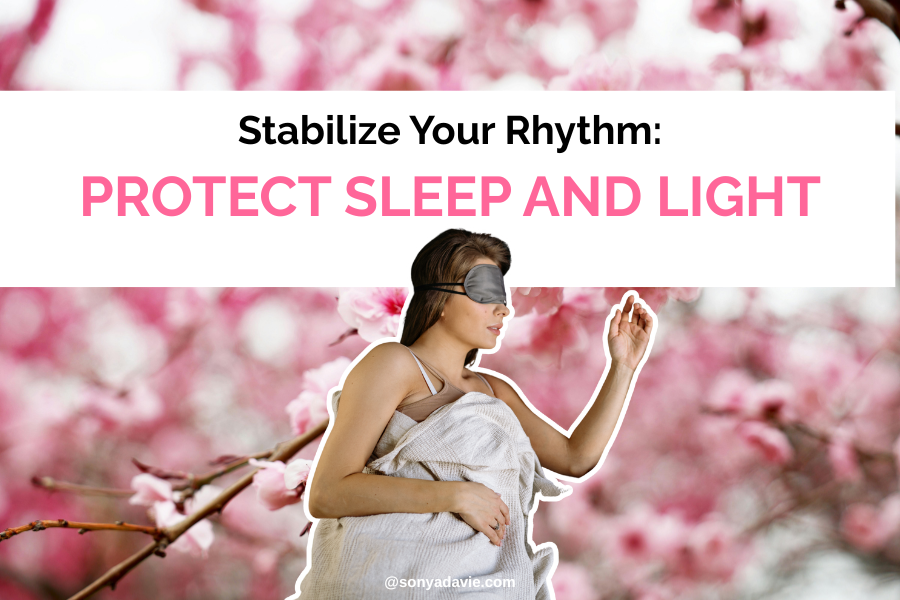
Guard your sleep: Treat sleep like a prescription, protect a consistent window of time, and seek help if insomnia, early waking, or nightmares escalate.
HSPs are particularly sensitive to sleep loss and circadian disruption, which can rapidly magnify emotional overwhelm and suicidal thinking.
#3 – Reduce Hidden Stressors (Like Inflammation)
From a functional psychiatry lens, addressing inflammation is suicide prevention. In spring, consider:
- Allergy management: Work with your medical provider on allergy treatment (medications, nasal rinses, environmental strategies) to reduce inflammatory burden.
- Anti‑inflammatory basics: Prioritize whole foods, colorful plants, omega‑3‑rich foods, blood‑sugar balance, hydration, and gentle movement.
- Gut support: If you notice more bloating, constipation, loose stools, or food sensitivities in spring, talk with a provider about gut‑brain–focused care.
#4 – Create a Spring Safety Plan
Evidence‑based suicide prevention emphasizes having a plan before a crisis hits. You can create a simple, personalized “Spring Safety Plan” that includes:
Your early warning signs: Thoughts, feelings, body sensations, or behaviors that signal your risk is rising (e.g., “I start thinking people would be better off without me”).
What helps you cope in the moment: Breathing exercises, somatic tools, grounding, journaling, music, movement, HSP‑friendly sensory soothing (weighted blanket, nature sounds, low light).
Your people: A short list of trusted contacts you can reach out to when you notice those warning signs (friends, family, therapist, support group).
Professional and crisis resources: Your providers’ names, numbers, and emergency or crisis services available where you live.
Those same steps can inform how you build your own safety plan and what you ask for from others.
5. Adjust Your Social Expectations as an HSP
You do not have to meet mainstream “spring energy” standards to be worthy or well. Instead:
Choose depth over volume: Prioritize a few nourishing, emotionally safe connections instead of lots of shallow socializing.
Create low‑stimulus joy: Think quiet picnics, slow walks, reading in the park, or time in nature with one safe person rather than loud gatherings.
Limit comparison exposure: Curate your social media feeds in spring; unfollow or mute accounts that trigger shame, inadequacy, or urgency.
Your nervous system thrives on gentleness, predictability, and authenticity, not on the intensity of the highlight reel.
#6 – Integrate Professional Support (You Don’t Have to Do This Alone)
For many people, spring is precisely the right time to seek or deepen professional support. That might include:
Therapy
Especially trauma‑informed, HSP‑aware, or somatically oriented therapy that respects both your sensitivity and your biology.
Psychiatric care
Reviewing medications, supplements, and lab data (e.g., thyroid, vitamin D, B‑vitamins, iron, inflammatory markers) with a clinician trained in integrative or functional psychiatry.
Skills‑based programs
DBT, mindfulness‑based therapies, or other structured programs that build emotion‑regulation and crisis‑survival skills.
🤍 If You or Someone You Love Is Struggling…
If you are currently having thoughts of suicide, planning, or feeling like you might act on those thoughts, this is a medical and emotional emergency, not a personal failure.
In the United States, you can call or text 988 to reach the Suicide & Crisis Lifeline for immediate support 24/7.
If you are outside the U.S., check your country’s emergency numbers and crisis lines, or look up local crisis services through your national health authority.
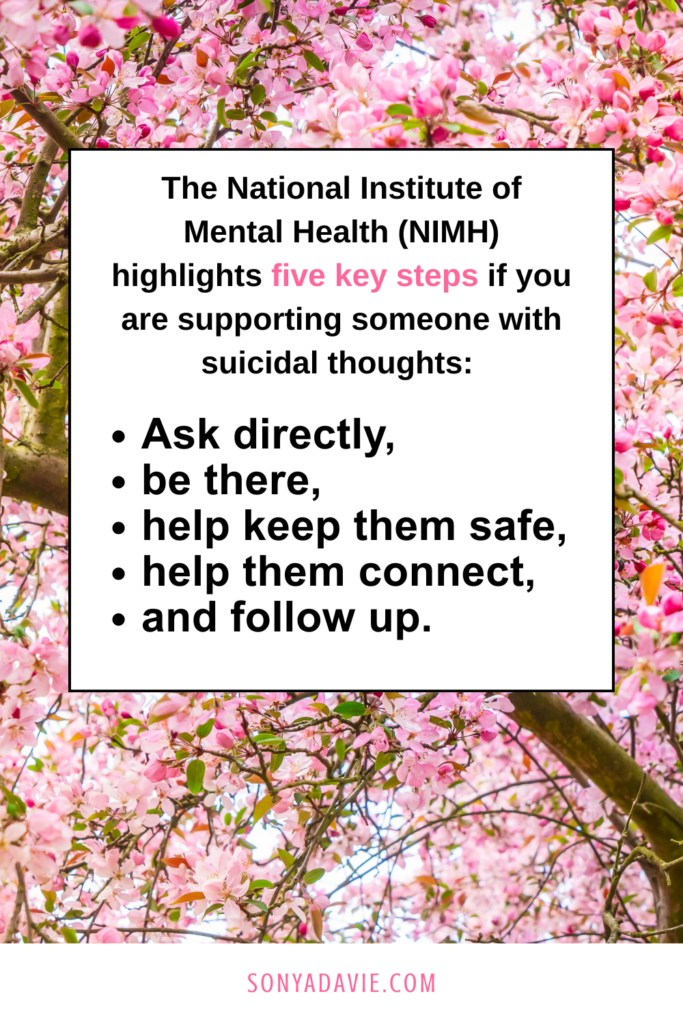
If you are worried about someone else, remember the NIMH’s five steps: Ask directly about suicide, be there, help keep them safe, help them connect to support, and follow up.
You do not have to wait until you are “at the edge” to ask for help; reaching out earlier is an act of profound courage and self‑respect, not a burden.





+ show Comments
- Hide Comments
add a comment