


I Usually Leave Work at Work.
Most days, I’m good at it. Years of clinical work have taught me how to hold space for someone else’s pain without taking it home in my chest.
You develop a rhythm. You debrief. You breathe. You close the door.
But lately? That door won’t stay shut.
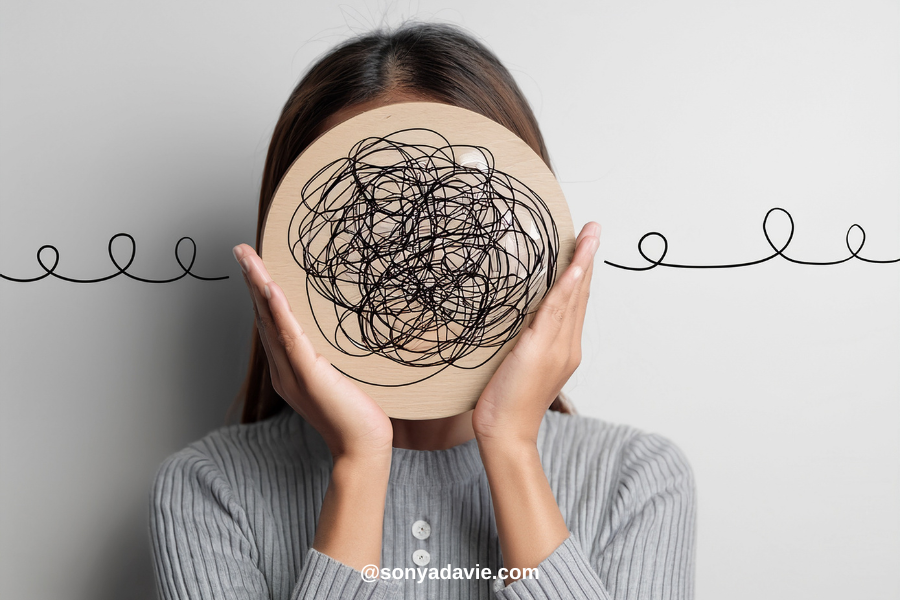
I’ve been sitting with something heavy, and I think it’s time I say it out loud, because if I’m feeling it, I know some of you are too.
The Stories That Won’t Leave Me Alone
Every week, my algorithm delivers the same kind of stories.
Domestic violence. Women harmed. Children lost.
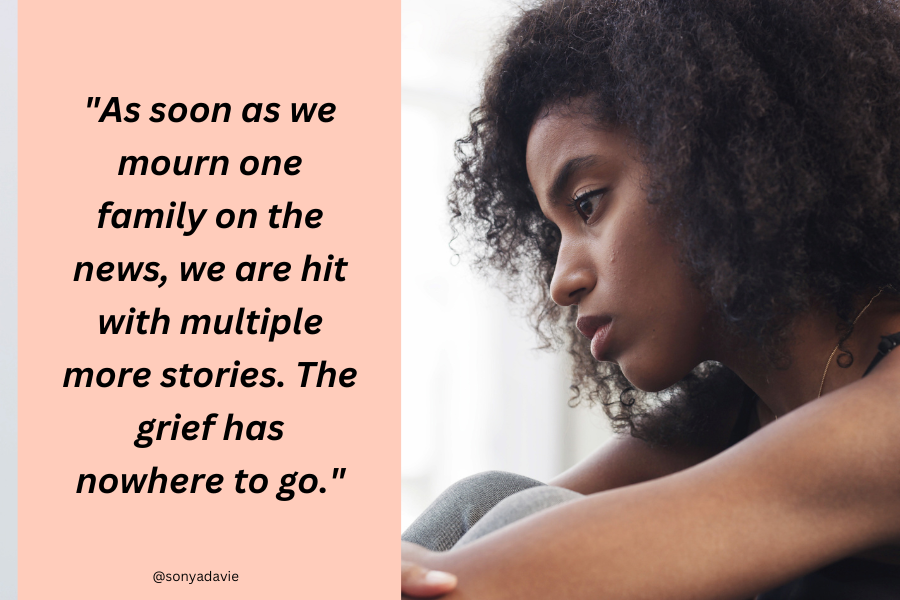
And just as we collectively try to catch our breath from one tragedy, another one follows. Recently, one story broke me open in a way I wasn’t prepared for: Eight children. Eight. Taken by their own father.
I am a clinician. I have been trained to hold grief professionally.
And I could not hold this one.
I still can’t.
I want to be honest with you: I am devastated. And I am angry. Because it does not feel like enough is being done to address the perpetrators.
Let me be clear about what I’m naming, and what I’m not.
I am a clinician who has worked with men, almost exclusively, for nearly a decade. I ran men’s groups in men’s shelters for years until COVID. I know that men are also victims of domestic violence and I have worked with many of them. Men’s mental health remains a major issue, and I deeply honor the strides being made by men and male clinicians who are building safe spaces. More of those spaces are still needed.
But today, in light of these specific and devastating patterns, I am speaking directly to and about female victims.
I am holding space for the women and children whose stories are flooding our screens… and our nervous systems.
What Is Vicarious Trauma?
Vicarious trauma is what happens when repeated exposure to others’ pain — through direct clinical work, news stories, social media, or community — begins to change you.

Not burnout. Not compassion fatigue (though those are real too). It’s deeper than that.
Vicarious trauma is a transformation of your inner world: your beliefs about safety, trust, and human goodness shift because of what you’ve witnessed or absorbed.
For clinicians, first responders, and advocates, those of us who professionally hold other people’s trauma — the risk is constant. But you don’t need to have a license to experience it. If you are a human being scrolling through stories of murdered children and battered women, your nervous system is being affected.
Vicarious trauma may look like:
- Intrusive thoughts or images that replay without warning
- A deepening cynicism or hopelessness about the world
- Hypervigilance, difficulty feeling safe
- Emotional numbing or, on the other end, emotional flooding
- Disrupted sleep, difficulty concentrating
- Grief and anger that feel disproportionate — but aren’t
From an integrative lens, vicarious trauma is not just psychological, it is physiological. Chronic exposure to distressing content activates the HPA axis, dysregulates cortisol, and keeps the nervous system in a low-grade state of threat.
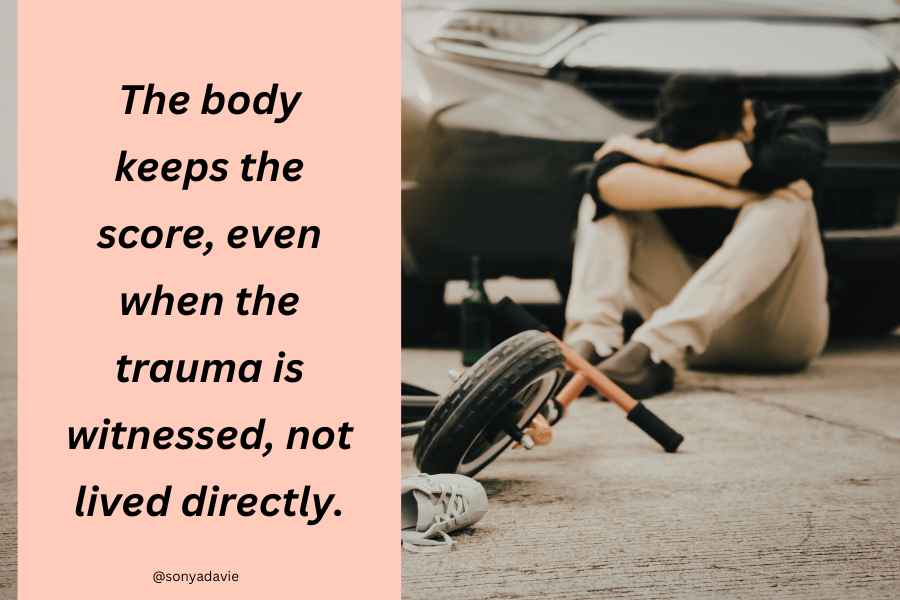
“Vicarious trauma is real. Your grief is not an overreaction. It is evidence that you are still human.”
My Truth as a Clinician and a Black Woman
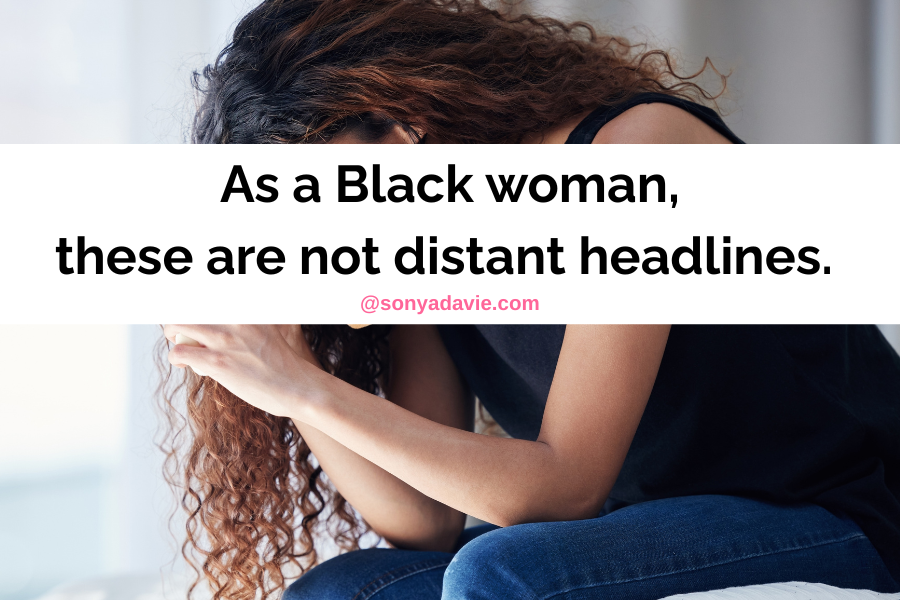
As a Black woman, I am not a neutral observer of these stories. These are my community’s daughters, mothers, and grandmothers. These are our children. And the weight of that is layered in a way that doesn’t fit neatly into a clinical framework.
I have created safety plans. I have sat across from women who were terrified, who had nowhere to go, who went back — and I held them without judgment every time, because I understand that leaving is the most dangerous moment. I have supported women out of toxic and dangerous relationships, slowly, carefully, with everything I had.
And still, the numbers are not decreasing.
Domestic violence rates have not meaningfully improved. And when I see these stories cascade across my screen week after week, I feel a grief that is professional and personal and communal all at once.
I am heartbroken for these women. And I am furious that we live in a world where children lose their lives because systems failed to stop the men who harm them.
I say that with love… and with urgency.
How Is This Affecting YOU?
I’m asking you directly because I think we don’t ask each other enough.
Are you carrying stories that aren’t yours but feel like yours?
Are you waking up thinking about women you’ve never met
Are you snapping at your loved ones and not quite knowing why?
Are you scrolling past these headlines quickly because slowing down feels unbearable?
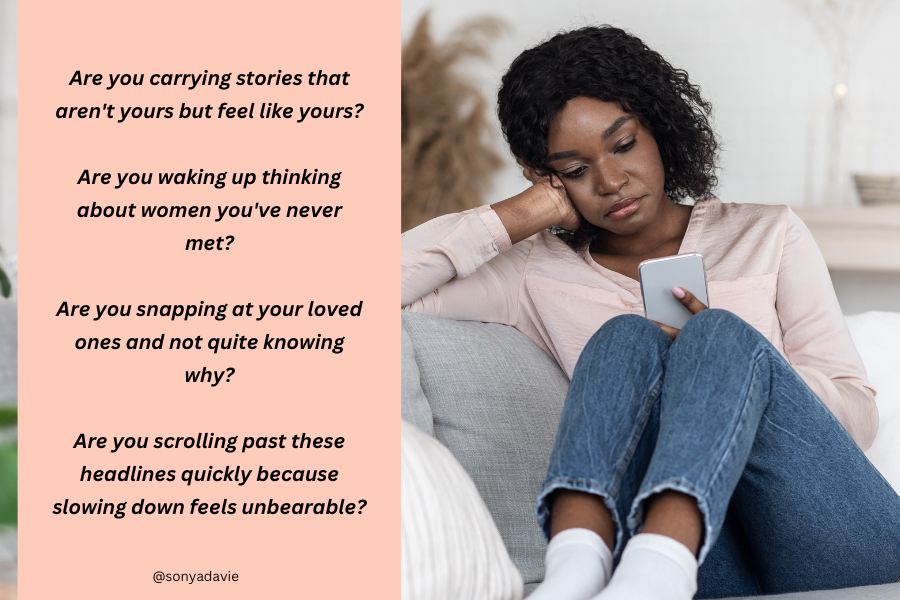
You are experiencing a completely human, nervous-system-level response to collective trauma.
And you DESERVE support, not just the families on the news.
I hope that out of these tragedies, MORE will be done.
More intervention. More accountability. More resources for survivors. More honest conversations about the patterns that enable violence against women and children.
I hope. And while I hold that hope, I also want to hold you.
Release Is Not a Luxury. It’s Necessary
The body stores what the mind cannot fully process. As a somatic practitioner and dance-fitness instructor…
I believe in the power of movement to metabolize stress, to shake loose what’s been stuck, to reclaim joy even in hard seasons.
If you are feeling the emotional toll from these stories…
if the grief has been settling in your hips, your jaw, your shoulders…
You are not alone. And I have a space for you.
✦ JOIN ME FOR TWERKASANA ✦
A somatic movement experience for stress release, body reclamation, and joy.
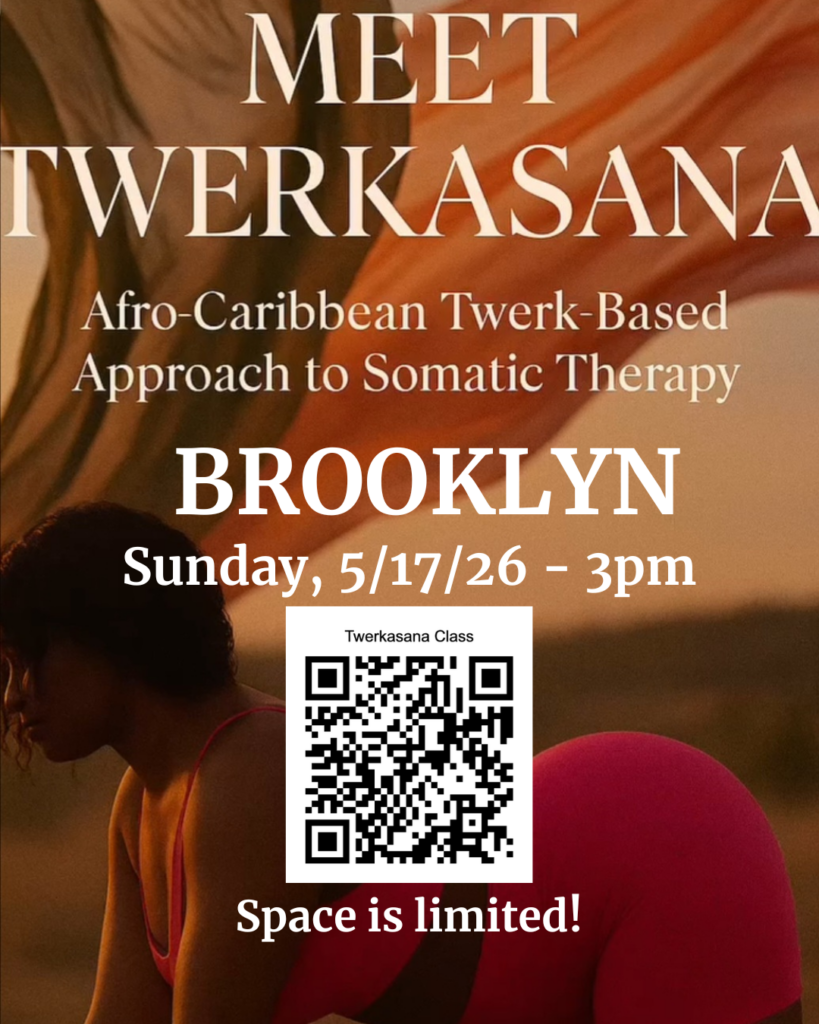
This is a space for women, especially, to move, to breathe, to release without explanation.
To be held in community… when the world feels like too much.
With grief, fire, and love,
Sonya Davie, LMHC, INHC, CMHIMP
Founder, Sonya Davie Wellness
Integrative & Functional Psychiatry–Informed Mental Health Counselor
If you or someone you know is experiencing domestic violence:
Call the National Domestic Violence Hotline: 1-800-799-7233
Or text START to 88788.





+ show Comments
- Hide Comments
add a comment