


Netflix’s new documentary on Sean “Diddy” Combs has stirred up a lot of conversation, some focused on the shock, others on the celebrity aspect, and many who feel triggered or unsettled without fully knowing why.
But I want to move us past the headlines and into the heart of what actually matters:
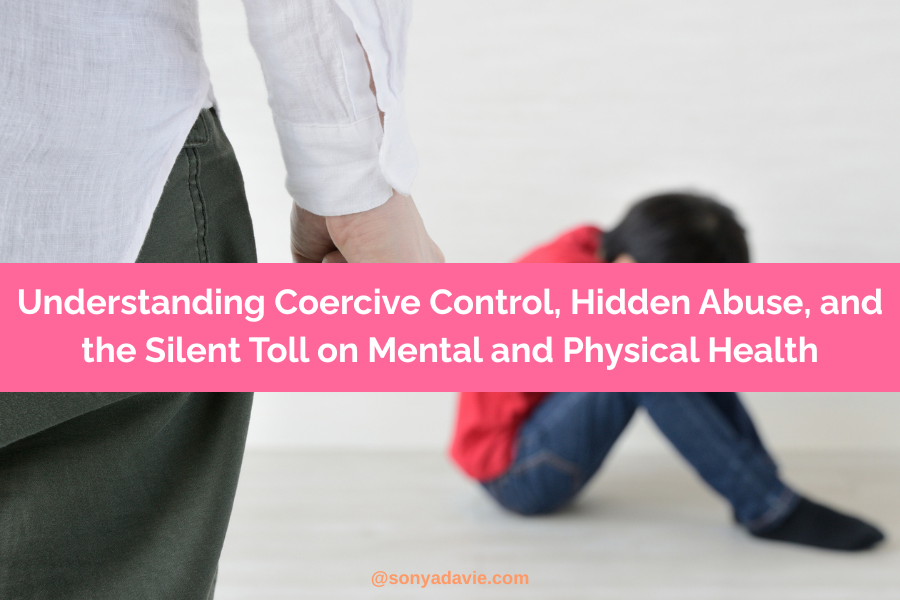
coercive control, chronic relational trauma, and the very real impact toxic relationships have on mental and physical health.
As a therapist and integrative mental-wellness practitioner, I’ve supported countless individuals who didn’t yet recognize the psychological dynamics they were living in. And watching the reaction to this documentary reminded me of something I see every day in practice:
Many people don’t realize when their nervous system has been slowly worn down by psychological manipulation. Many don’t understand how chronic relational trauma literally reshapes the brain and body.
And too many… especially Highly Sensitive Persons (HSPs) downplay emotional abuse because “it wasn’t physical,” “they apologized,” or “I didn’t want to make a big deal out of it.”
Let’s gently clarify what this documentary is truly bringing to the surface.
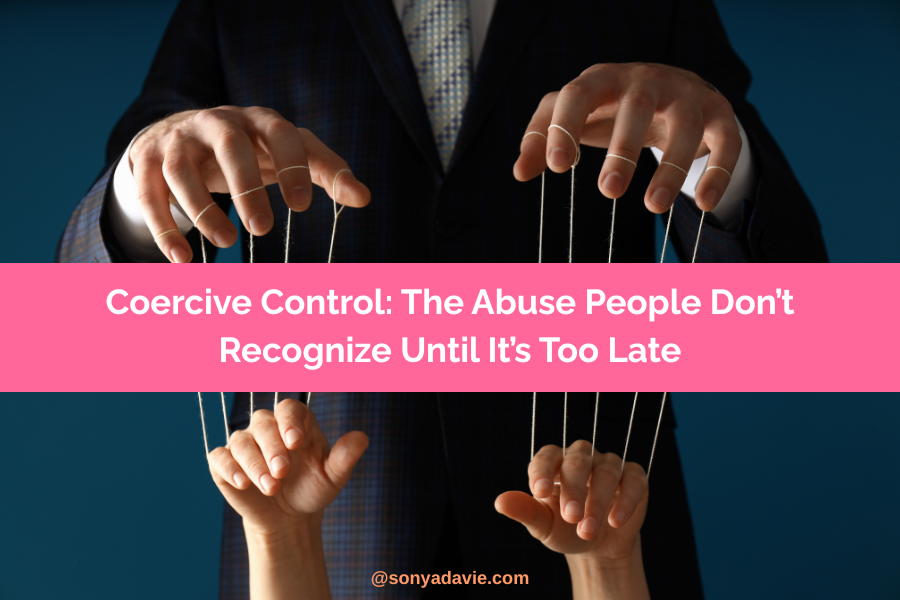
Coercive Control: The Abuse People Don’t Recognize Until It’s Too Late
Coercive control is not one moment — it’s a pattern. A slow erosion of autonomy, identity, and safety.
It can happen in romantic relationships, friendships, families, workplaces, and even spiritual communities.
Common forms include:
- Monitoring or restricting where someone goes, what they do, or who they speak to
- Financial control packaged as “support” or “protection”
- Gaslighting, guilt, shame, or emotional manipulation
- Isolation from friends, family, or outside support
- Explosive anger or unpredictable reactions that create fear
- Humiliation behind closed doors
- Love-bombing cycles that confuse the nervous system
Most victims don’t realize the pattern while it’s happening. Their nervous system adapts for survival, not clarity. That’s why so many people later say:
- “I didn’t realize it was abuse until years later.”
- “I thought that intensity meant love.”
- “I didn’t notice how small my world had become.”
These are stories I’ve heard in my practice over and over again.
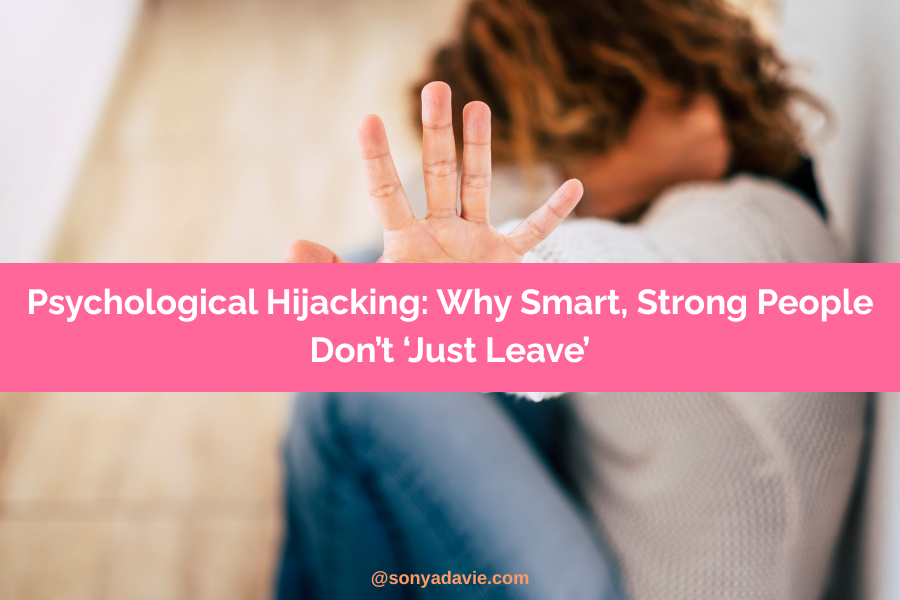
Psychological Hijacking: Why Smart, Strong People Don’t ‘Just Leave’
A common question people ask, usually those who haven’t experienced coercive control is:
“Why didn’t they just walk away?”
The answer is physiological, not character-based. Coercive control creates a cycle that looks like:
Fear → temporary affection → unpredictability → hypervigilance
Over time, the brain literally links the abuser to safety, relief, and emotional stability even when they’re creating the harm. This is not weakness.
This is trauma biology.
I’ve sat with brilliant, capable, insightful people who defended harmful behavior or blamed themselves —not because they lacked awareness, but because prolonged trauma rewires how the brain processes attachment, threat, and self-worth.
This documentary isn’t just about a public figure. It’s a reflection of what many individuals live through in silence.
Trauma Doesn’t Just Live in the Mind — It Lives in the Body
One of the biggest myths about emotional abuse is that the damage is “just psychological.”
We now know trauma is a whole-body condition.
Chronic stress, fear, or emotional instability disrupts:
- Cortisol and stress hormones
- Sleep patterns
- Immune system function
- Inflammation and pain levels
- Digestion and gut-brain communication
- Cardiovascular health
- Hormonal balance and energy regulation

Research continues to show what clinicians have long witnessed:
the body keeps score long before the mind can make sense of what’s happening.
I have worked with clients who struggled with:
- Anxiety
- Depression
- Insomnia
- High blood pressure
- Gut issues
- Chronic fatigue
- Migraines or fibromyalgia
- Autoimmune flare-ups
So often, their symptoms were not “random”… they were a biological response to a chronically unsafe relationship.
Why This Documentary Matters for Public Health
This story isn’t about gossip or celebrity drama. It’s about education, awareness, and prevention.
It forces us to talk about:
- How emotional abuse escalates quietly
- How coercive control hides behind charm, status, or apology cycles
- How victims normalize red flags to survive
- How trauma erodes physical health, not just emotional well-being
- How society excuses harm when the person is powerful, wealthy, or beloved
The documentary gives language to experiences many people have carried alone. It validates what survivors have been trying to articulate for years.
If You Recognize Yourself in This Story
If something in the documentary or this blog felt familiar, I want you to hear this clearly:
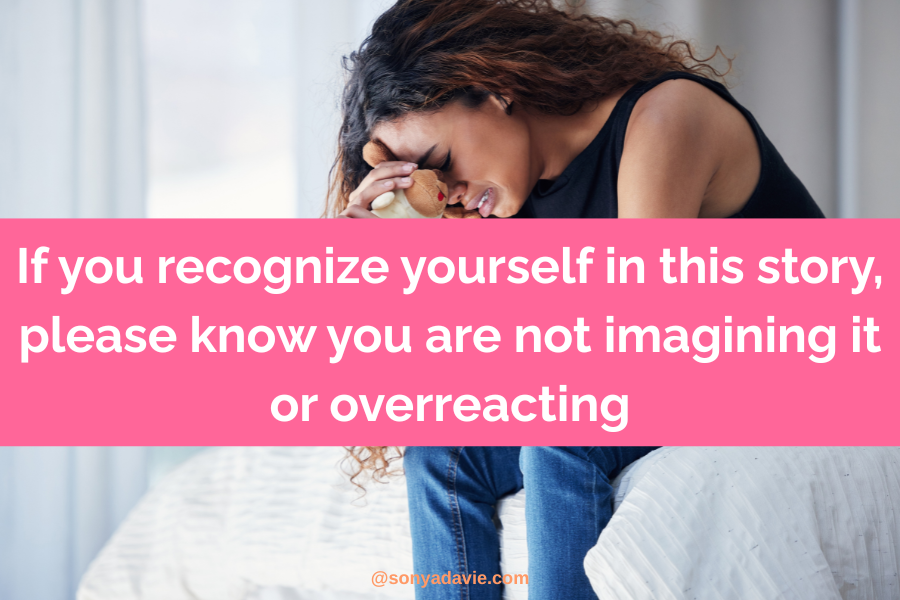
You are not imagining it.
You are not overreacting.
You are not responsible for someone else’s harmful behavior.
Your body may be signaling truths your heart hasn’t had the space to process yet.
Coercive control is intentionally confusing. It is designed to make you doubt your instincts, your memory, and your worth.
Healing is absolutely possible. Support exists. You are not alone.
My Final Thoughts!!!
This documentary is uncomfortable because it uncovers what many would rather not see… patterns that don’t look like “traditional abuse,” yet cause some of the deepest wounds.
Ignoring these patterns keeps people stuck in survival mode. Talking about them helps people reclaim their voice, their health, and their sense of self.
So let’s keep the conversation grounded in what matters:
- survivors
- the science
- the body’s response to trauma
- early recognition and prevention
- healthy, safe relationships
Awareness is not just empowering… it’s life-saving.





+ show Comments
- Hide Comments
add a comment