


Toxic relationships don’t just break hearts… They dysregulate the nervous system, drive chronic inflammation, and are increasingly linked with anxiety, depression, and long‑term physical illness.

Over the years in clinical work, I’ve seen how the body often holds what the relationship cannot heal.
We’re taught to think about love emotionally:
Do I feel loved? Do I feel chosen?
But your nervous system is asking something deeper: Do I feel safe?
In many unhealthy relationships, the answer is quietly “no,” even if you’ve learned to tolerate it.
How Toxic Relationships Affect Your Body
Constant conflict, criticism, gaslighting, emotional withdrawal, or unpredictability can keep your body in a chronic stress response.
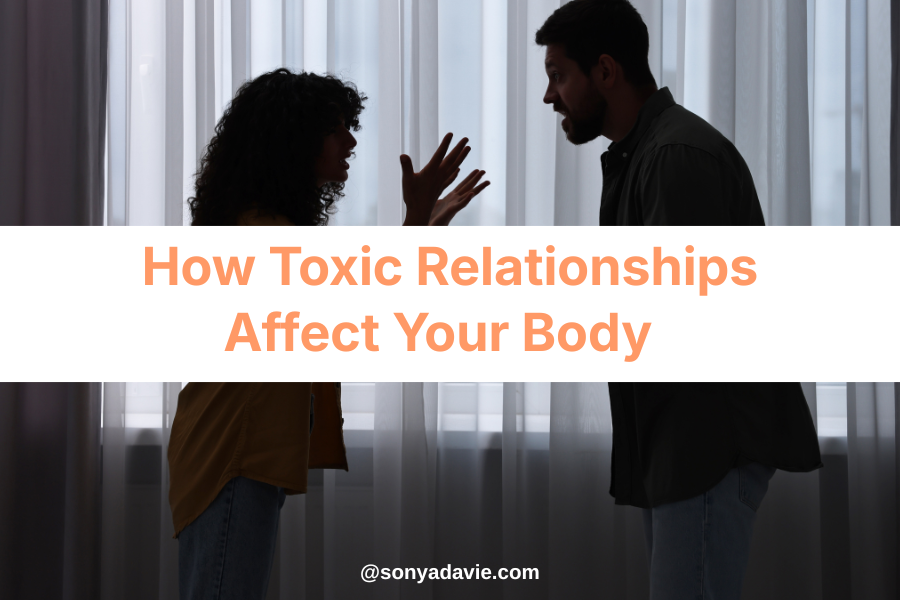
Cortisol stays elevated instead of returning to baseline, and over time, that constant drip of stress chemistry can start to show up as:
- Ongoing fatigue that doesn’t improve with rest
- Headaches or migraines
- Digestive issues (nausea, appetite changes, IBS-like symptoms)
- Flare-ups of autoimmune symptoms or chronic pain
- Trouble sleeping or frequent illness
In integrative and functional psychiatry, we see how long-term relationship stress can contribute to systemic inflammation, which is a driver in many chronic illnesses.
When your body spends years in survival mode because of a relationship, it pays a price.
And as Valentine’s Day approaches, we’re surrounded by images of romance, flowers, chocolates, date nights, but very little conversation about what happens to the body when “love” is laced with fear, control, or emotional neglect.
Abuse and Trauma Bonds: When the Nervous System Confuses Love and Danger
One of the most confusing experiences for many of my clients is feeling deeply attached to a partner who is actively hurting them.
This is often the territory of a trauma bond.
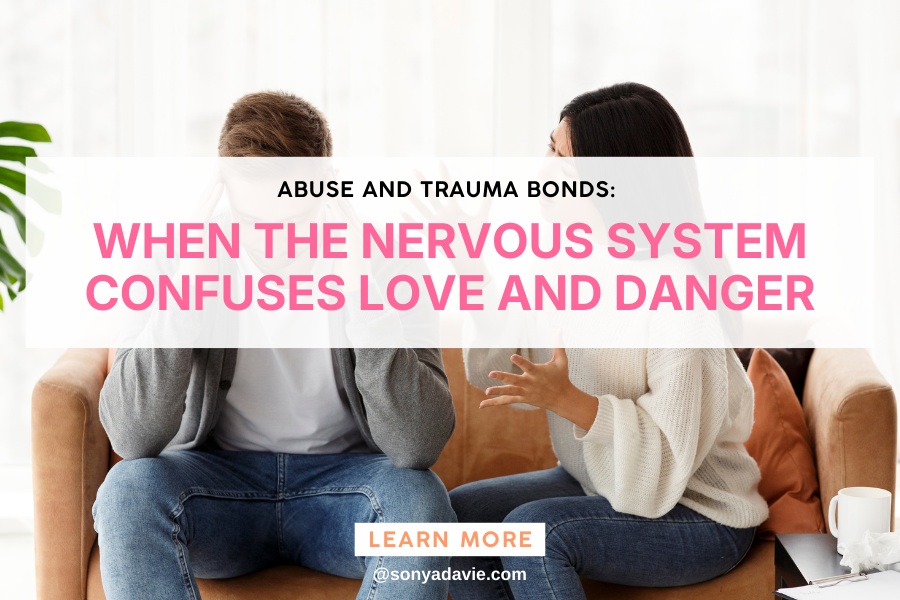
A trauma bond forms in relationships where abuse (emotional, verbal, physical, sexual, or financial) is paired with intermittent moments of affection, apology, or relief. The cycle might look like this:
#1 Tension builds: criticism, silent treatment, walking on eggshells.
#2 Incident: yelling, threats, humiliation, physical harm, or severe emotional withdrawal.
#3 Reconciliation: apologies, gifts, sex, affection, or promises to change.
#4 Honeymoon: a period of calm or even high romance—until the cycle repeats.
Over time, the nervous system starts to associate “love” with this roller coaster of fear and relief. The abusive partner becomes both the source of the wound and the source of comfort. That’s what makes it so powerful and so hard to leave.
Physically and emotionally, trauma bonds can show up as:
- Hypervigilance (always waiting for the “next thing” to happen)
- Anxiety, panic, and difficulty relaxing
- Sleep disturbances and nightmares
- Mood swings, shame, and confusion
- Stress‑related symptoms like chest tightness, stomach issues, or muscle tension
You might notice patterns like migraines that always appear after an argument, IBS flares after a breakup threat, or autoimmune symptoms spiking during the “tension” phase of the cycle. These aren’t coincidences; they’re your body telling the truth even when your mind minimizes the harm.
Abandonment Wounds: Why You Stay With People Who Drain You
Abandonment wounds often begin in childhood through emotional neglect, inconsistent caregiving, a parent’s addiction, divorce, or a caregiver who was physically present but emotionally unavailable.
The child absorbs a painful message: “The people I need most will eventually leave or turn away from me.”
As adults, these unhealed wounds can express themselves in different ways:
- Clinging to partners who are unavailable, abusive, or non‑committal
- Feeling terrified at the idea of being alone, even in a miserable relationship
- Overfunctioning in relationships — fixing, rescuing, and caretaking to avoid being left
- Sabotaging healthy relationships because they feel “too calm” or unfamiliar
- Numbing out (with food, substances, work, or social media) rather than facing relational pain
Living with an abandonment wound in partnership often means living in a constant state of relational hypervigilance:
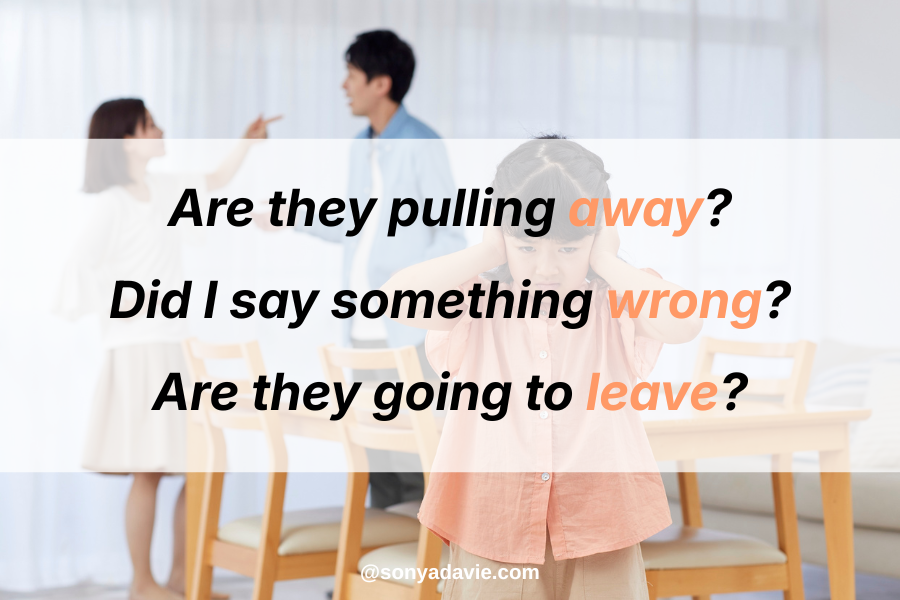
The nervous system reads this as ongoing danger.
That internal alarm system is not just emotional, it’s physiological. The body tightens, the breath shortens, heart rate increases, and stress hormones surge. When this becomes your baseline, it can contribute to:
- Chronic anxiety and depressive symptoms
- Sleep disruption
- Stress‑related physical symptoms (palpitations, GI issues, tension headaches)
- Increased vulnerability to chronic illness over time
Many people mistake this constant anxiety for “passion.” In reality, it’s often an abandonment wound asking to be seen, understood, and healed.
When Your Partner Refuses Healing or Therapy
One of the most painful dynamics I see, especially around holidays like Valentine’s Day, is when one partner is actively doing their healing work while the other refuses theirs.
You might recognize yourself if:
- You’re in therapy, reading the books, listening to podcasts, or attending workshops.
- You’re naming patterns like trauma bonds, codependency, or emotional unavailability.
- You’re setting boundaries or asking for change, and your partner dismisses or minimizes your efforts.
- They say things like, “That’s just how I am,” “You’re too sensitive,” or “Therapy is for weak people.”
Refusing therapy or healing doesn’t make someone “bad,” but it is important information.
It reveals their current capacity and willingness to take responsibility for their impact.
When one partner is committed to growth, and the other is committed to staying the same, the relationship often becomes an emotional and physical burden for the person who is trying to heal.
Common experiences in this dynamic include:
- Feeling like you’re carrying the relationship emotionally
- Blaming yourself when nothing improves (“If I healed more, maybe they’d change”)
- Emotional exhaustion and burnout
- Worsening mental and physical health symptoms
It’s important to remember: you cannot do someone else’s healing for them. Your therapy cannot replace their accountability, and your insight cannot substitute for their willingness.
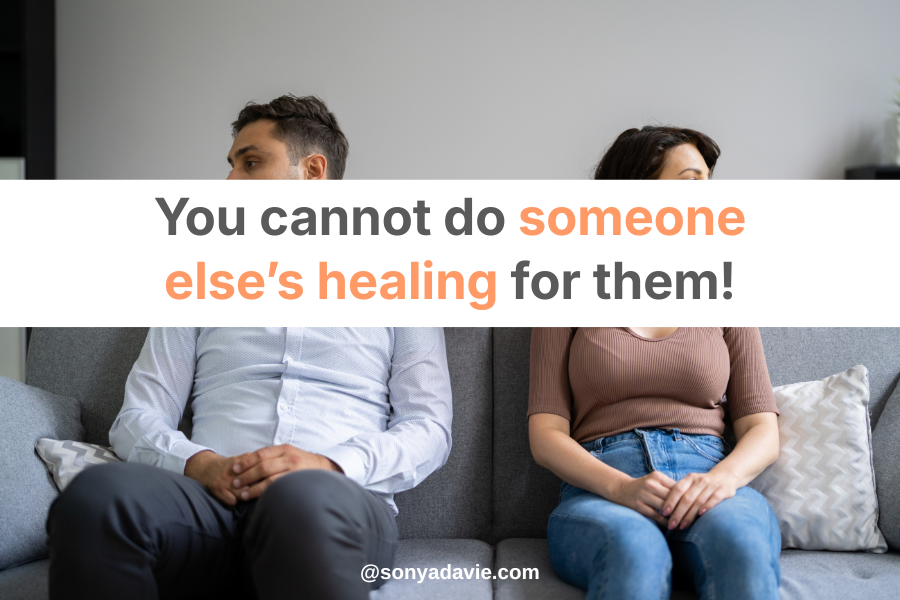
Sometimes, the most loving act toward yourself is accepting the truth, this person may not be ready or willing to meet you where you’re going.
Your Body as Your Valentine: Listening for the Truth
Valentine’s Day can be a beautiful celebration of love, but it can also be a powerful checkpoint for self‑reflection. Instead of only asking, “Do I have a partner?” or “Do they love me?” consider adding these questions:

- After spending time with this person, do I feel more regulated or more activated?
(Do I feel grounded and at ease, or wired, numb, anxious, or drained?) - Does my body tighten when I see their name on my phone?
(Jaw clenching, stomach dropping, chest tightening are data points, not overreactions.) - Do I feel safe saying “no,” disagreeing, or expressing a need?
Or do I comply to avoid conflict, anger, punishment, or abandonment? - Am I confusing intensity, chaos, jealousy, or constant “push‑pull” with love, because that’s what love felt like in the past?
- Am I the only one doing the work — going to therapy, reading, reflecting, while my partner refuses any support or accountability?
Your body is often ahead of your mind. It whispers through tension, fatigue, anxiety, and illness long before you’re ready to speak the truth out loud.
On a holiday that often focuses on grand romantic gestures, I invite you to turn inward and ask:
“What does my body know about this relationship that I’ve been afraid to admit?
A Valentine’s Reframe: Love That Regulates, Not Depletes
Healthy love will not erase all stress or guarantee a life without challenges, but it has a distinct felt sense. Over time, a safe, reciprocal partnership tends to:
- Regulate your nervous system rather than chronically activating it
- Support your healing instead of blocking or shaming it
- Make it easier, not harder, to care for your physical and emotional health
- Welcome therapy, growth, and accountability as pathways to deeper connection
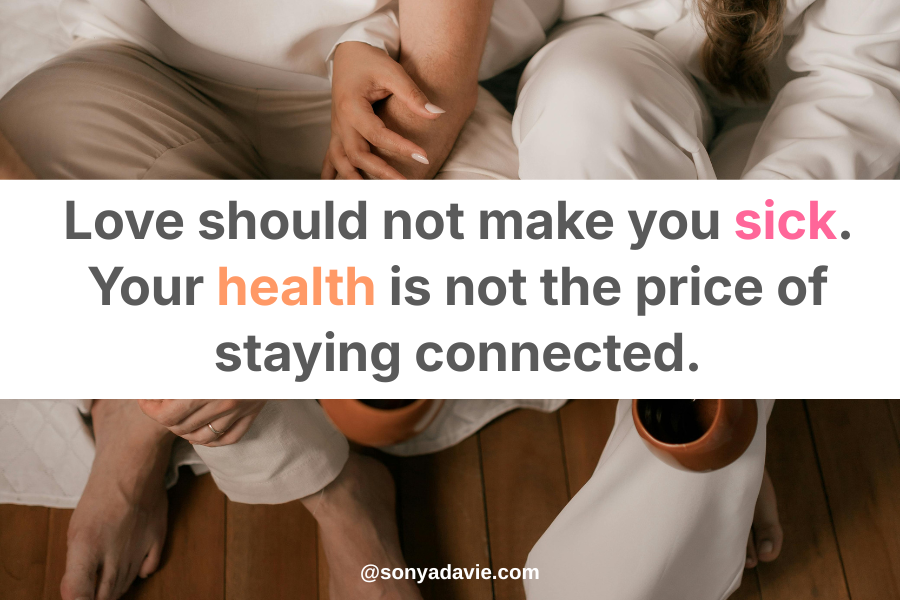
Toxic love, on the other hand, slowly depletes you. It asks you to abandon your body, your needs, and your reality to stay connected. It thrives on your silence and your self‑betrayal.
This Valentine’s Day, you might not be able to change your relationship overnight, but you can choose one act of self‑alignment:
- Naming the truth of how your body feels
- Reaching out to a therapist or support group
- Setting one small boundary
- Allowing yourself to imagine a relationship that feels safe in your nervous system, not just impressive on social media
Love that honors your whole self – mind, body, and spirit does not require you to get sick to maintain it.
Your health is not an acceptable sacrifice for someone else’s comfort or refusal to heal.





+ show Comments
- Hide Comments
add a comment