


Burnout is no longer just “being tired.” Burnout in 2026 doesn’t always look dramatic. Most of the time, it looks quiet.
It looks like waking up already tired. Like moving through your day on autopilot. Like doing what needs to be done while quietly wondering how long you can keep going like this.
Recent surveys show that more than half of workers now report moderate to high levels of work-related stress and burnout. And it’s showing up everywhere — in our energy, our health, our relationships, and our ability to feel present in our own lives.
For many people, the exhaustion isn’t just physical. It’s emotional. Nervous-system deep. The kind of tired that rest alone doesn’t seem to touch.
Leaders are now being warned that burnout is not a personal failure but a structural issue that affects productivity, retention, creativity, and long-term well-being.
As a licensed mental health professional, my passion has always been to help you understand what’s really happening in your mind and body at work, and how to begin recovering in a way that’s sustainable, compassionate, and real. Not by “pushing through,” but by learning how to come back to yourself.
If this already feels uncomfortably familiar, my Stress Recovery Toolkit is designed to walk you step-by-step through rebuilding your energy, boundaries, and nervous system health after burnout.
What workplace burnout really looks like in 2026!
Recent data paint a sobering picture of the modern workplace.
In the U.S., about 77% of employees say they have felt work-related stress in the past month, and around 57–66% report some level of burnout. In the UK, 91% of adults report high or extreme levels of pressure, and one in five workers has taken time off due to stress-related poor mental health.
And burnout doesn’t just live in your thoughts. It lives in the body. People experiencing chronic workplace stress often report:
- Persistent fatigue
- Headaches or muscle tension
- Poor or restless sleep
- Frequent colds or lowered immunity
- Digestive issues
At work, it can feel like:
- Being emotionally “used up” by the end of the day
- Struggling to concentrate on simple tasks
- Feeling detached, flat, or quietly numb
- Going through the motions without feeling connected to what you’re doing
Many people tell me, “I’m functioning… but I don’t feel like myself anymore.”
That’s not a weakness. That’s a nervous system that’s been under pressure for too long.
The real drivers of burnout (it’s not just “too much work”)
Burnout is multifactorial, but recent 2026 reports highlight a consistent set of pressure points. In 2026, top drivers include:
- Increasing workloads with fewer resources
- Unpaid or invisible overtime
- Job insecurity and fear of redundancy
- Blurred boundaries between work and personal life
- A lack of psychological safety — feeling unable to say “this is too much” without consequences
When your system never fully feels safe to slow down, stress becomes your baseline.
Outside of work, many people are also carrying:
- Chronic sleep deprivation
- Financial stress
- Health concerns
- Loneliness or social isolation
For younger employees, financial anxiety, job insecurity, and isolation make burnout even more intense, with some data suggesting that nearly two in five young adults have taken time off due to stress-related mental health.
How burnout silently changes your brain and body
Burnout is more than feeling overwhelmed; it reflects a nervous system that has spent too long in a chronic stress state.
When stress stays “on” for too long, your body adapts to survival mode:
- Stress hormones remain elevated
- Sleep becomes lighter and less restorative
- Memory and focus decline
- Emotional regulation becomes harder
- Small demands start to feel overwhelming
Over time, this can show up as:
- Emotional blunting (not feeling much at all)
- Irritability or sudden tears
- Disconnection from work, relationships, or your sense of purpose
- A quiet grief for who you used to be before everything felt this heavy
From a workplace perspective, this leads to higher absenteeism, more “showing up but checking out,” rising healthcare needs, and increased turnover.
From a human perspective, it leads to people slowly disappearing from their own lives.
Signs you may be in burnout (not just a busy season)
While only a licensed professional can provide a formal diagnosis, there are common patterns that suggest burnout rather than a normal busy period.
Common signs include:
- Feeling emotionally drained most days
- Dreading work consistently, not occasionally
- Not feeling restored even after time off
- Growing cynical or detached from your role
- Questioning your competence despite years of capability

Your body may also be trying to get your attention through:
- Frequent headaches or body pain
- Ongoing sleep disruption
- Digestive problems/gastrointestinal issues
- Getting sick more often than usual
Behaviorally, burnout can look like:
- Withdrawing from coworkers or friends
- Procrastinating on tasks that used to feel manageable
- Relying on food, alcohol, scrolling, or constant distraction to cope
- Fantasizing about quitting without a clear next step
Why “just take a vacation” doesn’t fix burnout!
One of the most harmful myths about burnout is that a week off will magically reset everything. Without meaningful changes to workload, boundaries, and nervous system regulation, people often return from time off just as exhausted as before, and sometimes more discouraged.
That’s why more organizations are beginning to understand burnout as a culture and operations issue, not a personal resilience flaw.
And it’s why individuals need more than generic self-care advice. They need support that helps their nervous system actually feel safe again.
Evidence-informed ways to begin recovering
While systemic change matters, there are concrete, research-aligned steps individuals can start today, small shifts that compound:
- Slow, intentional breathing
- Grounding exercises
- Brief movement breaks
- Protecting sleep
- Creating small boundaries around work communication
- Taking real breaks (instead of scrolling)
These are not productivity hacks. They are signals of safety to your body.
At the same time, recovery often requires re-evaluating internal narratives around worth, productivity, and “pushing through,” especially for high-achieving professionals.
Working with a therapist or coach who understands both trauma-informed care and workplace dynamics can provide a structured, compassionate space to unpack these patterns and practice new ways of working and resting.
This is exactly what the Stress Recovery Toolkit is designed to support: guided practices, scripts, and frameworks you can use daily to retrain your nervous system, reset boundaries, and rebuild energy — without stepping away from your life.
Why a Structured Recovery Toolkit Helps (and random tips don’t)
Most professionals already know they “should” breathe, move, or take breaks, yet they still feel stuck in cycles of depletion.
The gap is rarely information; it is structure, accountability, and practices that are realistic for real life with deadlines, caregiving, and complex emotions.
Without a roadmap, stress strategies remain sporadic and are often abandoned when work gets especially intense.
A structured Stress Recovery Toolkit brings together bite-sized education, trauma-informed practices, and implementation support in one place so people do not have to figure it out alone. It helps translate what the science says about burnout and nervous system recovery into a daily rhythm, one that protects mental health, preserves career momentum, and supports long-term wellbeing.
It turns burnout recovery from another overwhelming project into something steady, doable, and human.
If this blog felt uncomfortably familiar, you are not alone — and you don’t have to white-knuckle your way through another year.
Later this month, the Stress Recovery Toolkit will be launched, a step-by-step, therapist-designed program to help you move from exhausted and overextended to clearer, calmer, and more supported in your energy and boundaries.
You deserve more than survival. Join the waitlist to be the first to know when doors open.
3-Minute Calm: n.o.w. Tone Therapy by Solu
When you’re burned out, even self-care can feel like work. But take a breath in for a moment and let me tell you this: you deserve it.
That’s why I highly recommend tools that are gentle, simple, and realistic.
n.o.w. Tone Therapy by Solu is a sound-based system designed to help your nervous system settle in just three minutes.
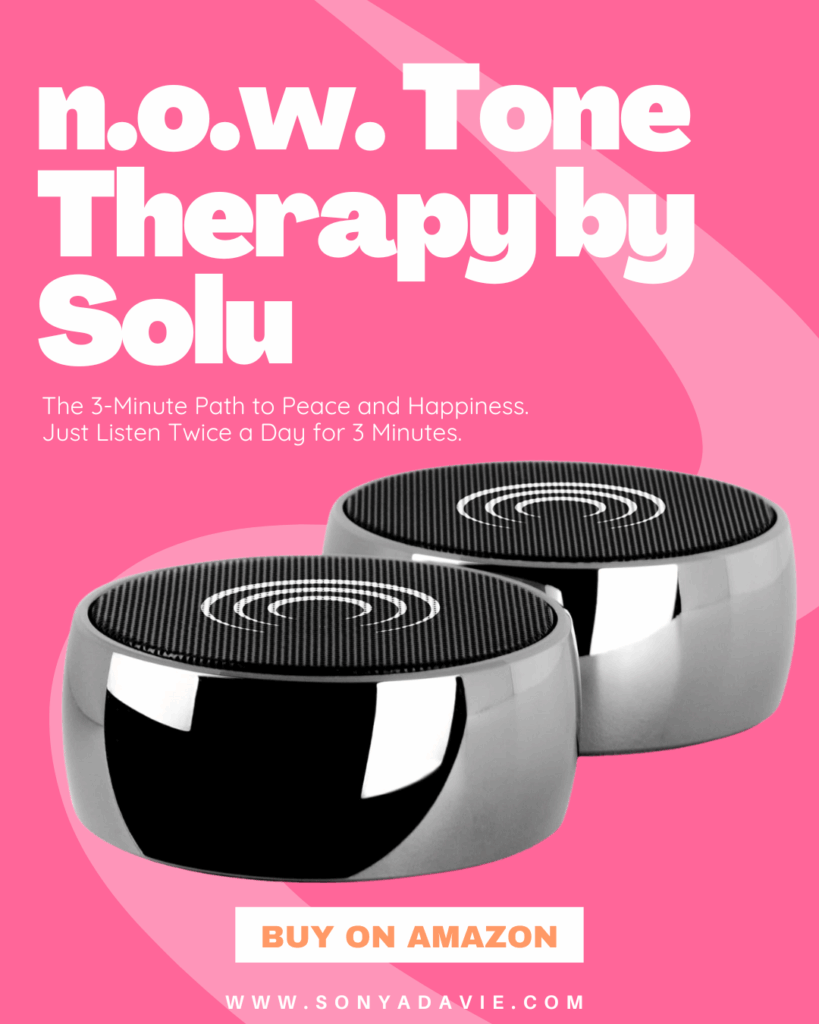
You simply listen. Each session is a unique, crystal-clear sound journey created to support relaxation and a sense of internal safety, no technique, no “quieting your mind,” no effort required.
It’s currently rated 4.5 stars with 1,000+ reviews, and many people feel calmer from the first listen.
For more stress-relief tools, explore my collection here →





+ show Comments
- Hide Comments
add a comment