


When you think of creatine, you might picture bodybuilders and weight rooms, but this simple compound is also a quiet workhorse for brain health, mood, and everyday energy.
As a NYS-licensed mental health counselor and integrative health coach, I use creatine personally and often discuss it as one optional tool within a larger plan that includes therapy, nutrition, movement, and, when appropriate, medication.
Creatine is not a magic fix or a substitute for mental health treatment.
It’s simply a way to better fuel your cells, especially in the brain, so the rest of your healing work can land on more stable ground.
What Creatine Is and How It Works
Creatine is a compound your body naturally makes in the liver, kidneys, and pancreas and stores in your muscles and brain. You also get small amounts from food, mainly red meat and seafood, which means people who follow a plant-based diet often have lower baseline levels.
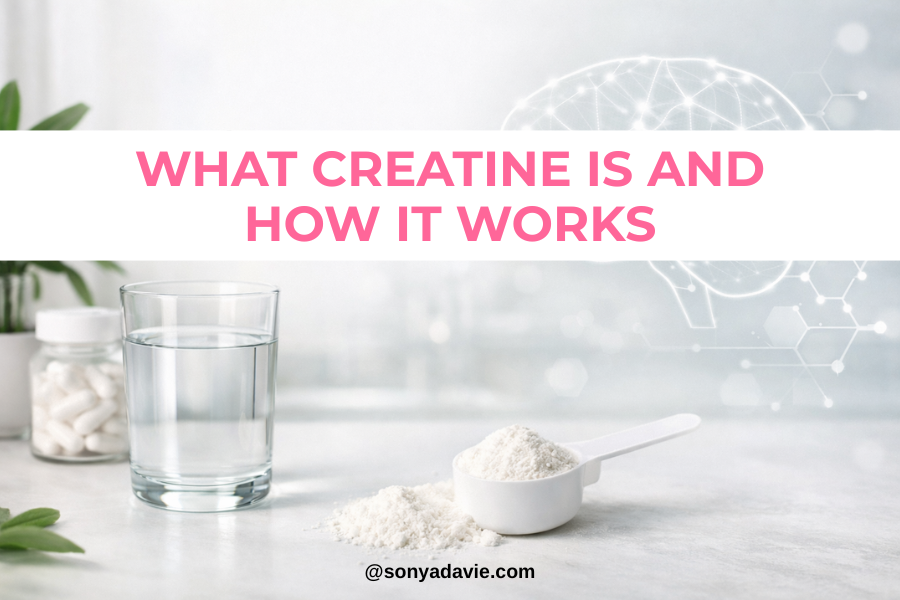
Creatine’s main job is to help your cells rapidly recycle ATP, the body’s primary “energy currency.” In simple terms, it acts like a quick-access energy reserve, helping your muscles and brain handle short bursts of high demand lifting, sprinting, concentrating, or recovering from stress without crashing as hard afterward.
Mental Health Benefits of Creatine: Mood, Stress, and Cognition
1. Supporting depression and mood
A growing body of research suggests creatine may be a helpful adjunct in treating depression, particularly when added to existing therapies or medications.
Reviews have found that daily creatine (often 3–5 g) can reduce depressive symptoms, especially when combined with antidepressants such as SSRIs. Proposed mechanisms include improved mitochondrial function, better brain energy metabolism, and possible effects on serotonin and dopamine pathways involved in mood regulation.
There are also case reports of mood elevation or hypomania in some people with bipolar disorder, so anyone with bipolar-spectrum conditions should speak with their prescriber and be monitored closely.

2. Brain energy, stress resilience, and “mental stamina”
The brain uses an enormous amount of energy, and even subtle deficits can show up as brain fog, fatigue, or feeling easily overwhelmed.
Reviews of creatine and brain function show that supplementation can increase brain creatine stores and appears to support tasks that require sustained attention, executive functioning, and complex decision-making, especially under stress (such as sleep loss or low oxygen environments).
Some studies report improvements in processing speed, mental fatigue, and certain aspects of memory, particularly when the brain is under higher metabolic demand.
For clients, this may feel like improved “mental stamina” and slightly more cognitive buffer when life is demanding.
Physical Health Benefits of Creatine: Strength, Recovery, and Healthy Aging
1. Strength, performance, and aging well
Creatine is one of the most researched supplements in sports and exercise science. It consistently improves strength, power, and the ability to perform repeated high-intensity efforts at typical doses.
For non-athletes, this can translate into easier daily movement, climbing stairs, carrying groceries, staying active which is closely tied to mood, anxiety levels, and overall mental health.
Creatine also becomes increasingly relevant as we age. Maintaining muscle mass and strength supports independence, bone health, and metabolic health, all of which influence psychological wellbeing.

2. Recovery, injury risk, and safety
Creatine may reduce markers of muscle damage and soreness after intense exercise, which can support more consistent movement routines. Consistency in movement is one of the most powerful non-pharmacologic tools we have for depression, anxiety, and trauma recovery.
Long-term data show that creatine is generally safe and well tolerated at common doses (3–5 g/day) in healthy individuals, with no evidence of kidney harm in people without pre-existing kidney disease.
Mild side effects can include temporary water retention or GI discomfort, which often improve with a lower dose or by splitting doses throughout the day.
Improtant Note: Anyone with kidney disease or complex medical or psychiatric conditions should consult their provider before starting.
How Much Creatine? Typical Dosing
Most research both for physical performance and emerging mental health applications uses creatine monohydrate.
- Common daily dose: 3–5 g once per day
- Optional loading phase: ~20 g/day split into 4 doses for 5–7 days, then 3–5 g/day for maintenance
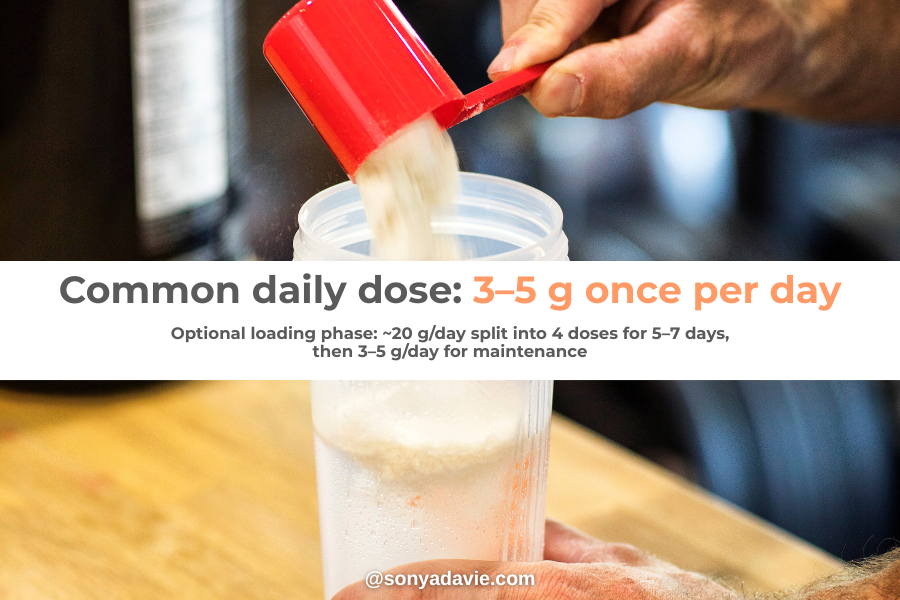
Loading saturates muscles faster but isn’t necessary and is more likely to cause bloating or GI upset. In practice, many clients do well with a steady 3–5 g daily approach.
Why I Trust Thorne Creatine in My Practice
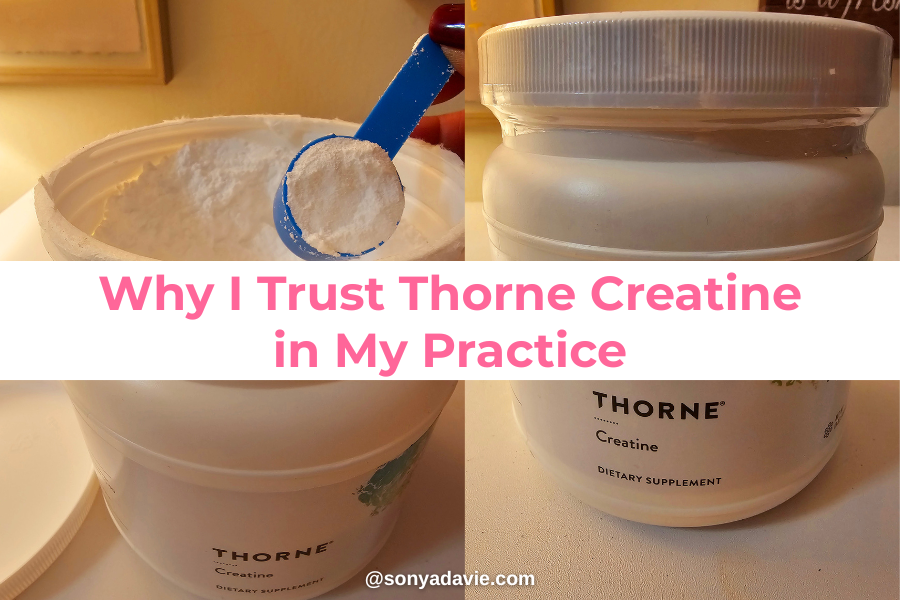
Because supplements aren’t regulated like medications, product quality matters. I prefer Thorne Creatine for several reasons that align with a trauma-informed, integrative, and evidence-based approach.
1. Evidence-based form: creatine monohydrate
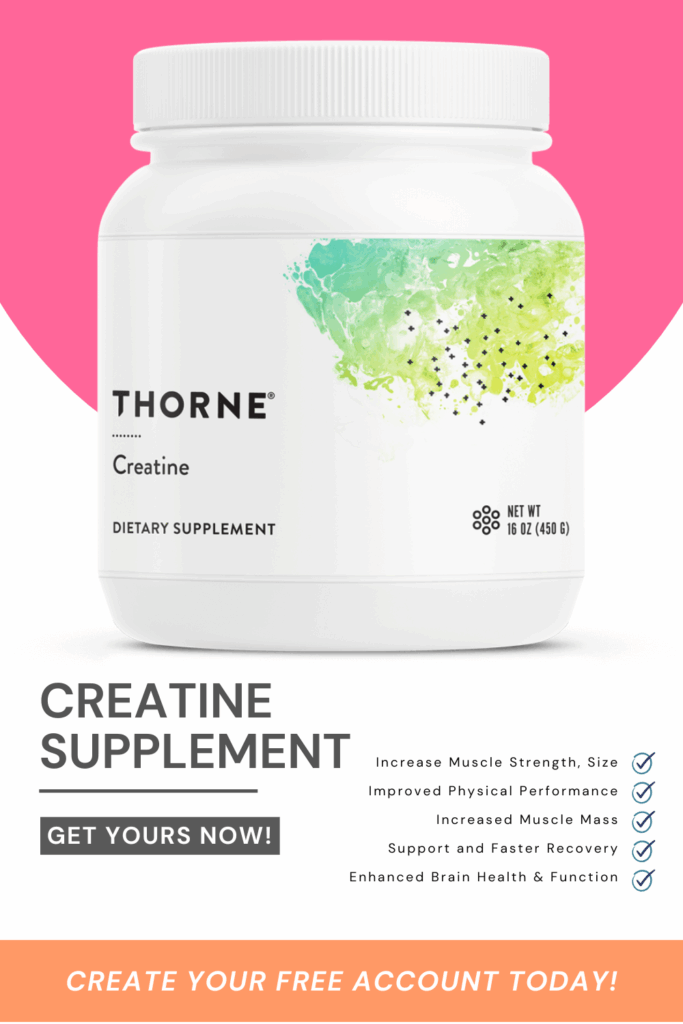
Thorne uses creatine monohydrate, the same form used in most clinical trials for exercise performance and brain outcomes.
Each scoop provides 5 g, the clinically supported daily dose for most adults. The powder is micronized for easier mixing and contains no added sugars or artificial sweeteners in the unflavored version.
2. NSF Certified for Sport® and third-party testing
Quality and transparency are especially important for clients managing complex health concerns or multiple medications.
Thorne Creatine is NSF Certified for Sport®, meaning it has been independently tested to confirm label accuracy and screened for over 300 banned substances. Thorne also reports extensive internal testing for identity, potency, purity, and contaminants such as heavy metals.
This level of quality control is one reason Thorne is used by professional sports teams and major health systems.
3. Clinically relevant benefits in one scoop
According to Thorne and partner institutions such as the Mayo Clinic Store, Thorne Creatine is formulated to support:
- Lean muscle mass, strength, and physical endurance
- Brain function and cellular energy
- Healthy body composition and recovery
- Healthy aging and performance in active adults
This aligns closely with what we see in the research on creatine’s effects on strength and its emerging role in cognition and mood.
Access Thorne Creatine through my professional dispensary here →
How Creatine Fits into an Integrative, Trauma-Informed Plan
Creatine works best as supportive groundwork, not a stand-alone solution.
This is often how I frame it with clients:
- As energy support: It helps the brain and body meet the energetic demands of therapy, trauma processing, movement, and daily life.
- As a movement ally: By supporting strength and recovery, it can make exercise feel more doable and sustainable.
- As an adjunct: For clients already in treatment for mood or cognitive concerns, it can offer another layer of support when low energy and brain fog are central themes, always in collaboration with their prescriber.
If you’re considering creatine:
- Talk with your healthcare provider, especially if you have kidney concerns, are pregnant or breastfeeding, or have a complex psychiatric history.
- Choose a high-quality, third-party tested creatine monohydrate (such as Thorne).
- Start with 3–5 g daily and track your mood, energy, sleep, and physical performance over several weeks, weaving those observations into your ongoing therapeutic work.
Related Post: Surprising Benefits of Creatine Beyond Muscle Growth





+ show Comments
- Hide Comments
add a comment