


By Sonya Davie, LMHC, INHC, CMHIMP · Founder, Sonya Davie Wellness
From the outside, it may look like you’ve got everything under control.
You’re successful. You meet deadlines. People depend on you. You’re the one everyone turns to (the “go-to” person) when there’s a problem to solve or a challenge to overcome.
But behind the accomplishments, the promotions, and the polished smile, your nervous system may be carrying a burden that no one else can see.
As a therapist and health coach, I’ve worked with many high-achieving professionals who appear to have it all together. Yet beneath their success, they’re quietly battling chronic stress, emotional exhaustion, anxiety, and burnout. They’ve become so accustomed to pushing through that they no longer recognize what it feels like to truly rest.
July is Minority Mental Health Awareness Month…
And it’s a needed reminder that mental health is not just an individual issue, it’s a systemic one. It’s the perfect time to have an honest conversation about something that often goes unnoticed, especially within the Black community:
“Success doesn’t make you immune to stress”
For many Black professionals, the pressure isn’t just about performing well at work. It’s about navigating racial stress, workplace expectations, cultural pressures, and the unspoken belief/expectation that you always have to be “strong”.
You can be the dependable executive.
The respected entrepreneur.
The dedicated nurse.
The inspiring educator.
The committed law enforcement professional.
The compassionate ministry leader.
The community leader everyone admires.
And still feel completely exhausted.
The truth is, your title, salary, or accomplishments don’t protect your nervous system. In many cases, they increase the pressure to ignore the signs that your mind and body desperately need a break.
When High Achievement Becomes Your Armor
Many Black professionals grow up hearing messages like,
“You have to work twice as hard to get half as far.”
While that mindset can build determination and resilience, it can also teach us that our worth is tied to our performance.
Over time, success becomes more than an accomplishment — it becomes protection.
You may find yourself believing:
“If I keep achieving, I’ll be respected.”
“If I don’t show weakness, people won’t question my abilities.”
“If I stay busy, I don’t have to deal with how overwhelmed I really feel.”
These thoughts often develop as survival strategies. They help us navigate environments where we feel we have to prove ourselves repeatedly. But survival mode isn’t meant to become a permanent way of living.
Your nervous system wasn’t designed to stay in a constant state of pressure.
Eventually, it starts asking for relief.
Sometimes that looks like difficulty sleeping.
Sometimes it’s constant fatigue, even after a full night’s rest.
Other times it shows up as irritability, brain fog, headaches, muscle tension, digestive issues, or feeling emotionally numb.
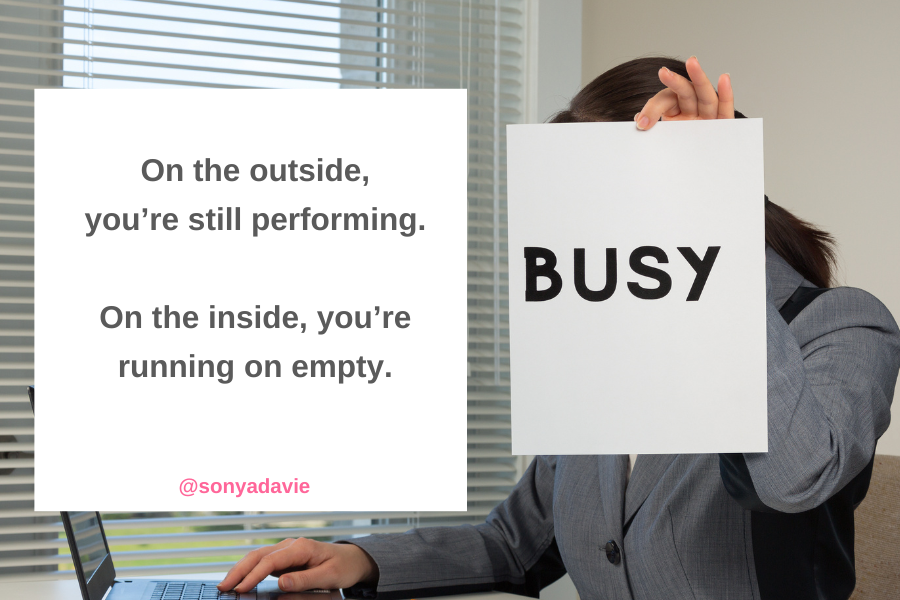
Your Nervous System Doesn’t Care About Your Resume
One of the biggest misconceptions about burnout is that it only happens to people who can’t handle stress.
That’s simply not true.
Burnout often affects the people who are the most responsible, compassionate, ambitious, and committed.
Your nervous system doesn’t respond to your job title. It responds to constant pressure, long hours, and the feeling that you always have to prove yourself.
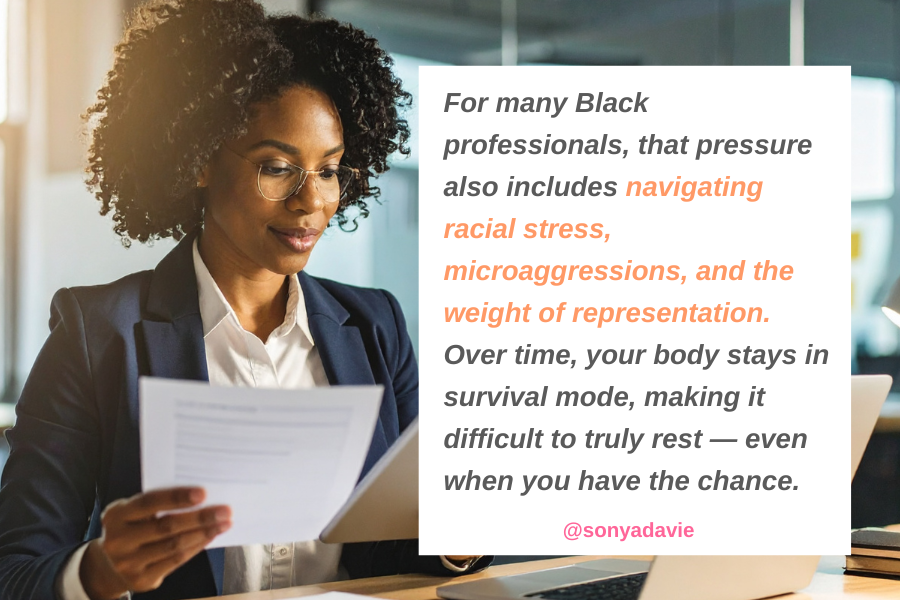
As a therapist, I’ve seen many high achievers mistake chronic stress for ambition.
They keep telling themselves they’ll slow down after the next promotion or milestone, but the finish line keeps moving.
Let’s take a closer look at how hidden emotional exhaustion often shows up across different professions — and why so many Black professionals continue carrying these invisible burdens in silence.
How Emotional Exhaustion Shows Up Across Different Professions
Although burnout can affect anyone, I’ve found that it often looks a little different depending on the role you’re in. No matter the profession, the common thread is this: you’re carrying far more than people realize.
Black Executives: Leading While Under the Microscope
Being in a leadership position comes with responsibility. But for many Black executives, it also comes with the weight of representation.

You may feel like every decision is under a microscope. You work harder to prove your competence, prepare more than everyone else, and feel pressure to avoid making mistakes because you know they’ll be remembered.
On top of your workload, you may also find yourself mentoring colleagues, advocating for diversity, or supporting employees who naturally gravitate toward you because they see themselves in you.
That’s emotional labor — and it counts.
Eventually, even reaching major career milestones can feel surprisingly empty because your nervous system has been operating in survival mode for so long that it doesn’t know how to celebrate.
Black Entrepreneurs: The Hustle, the Risk, and the Weight of Community
Owning your own business is often described as freedom. But many entrepreneurs know it can feel like carrying the weight of the world on your shoulders.
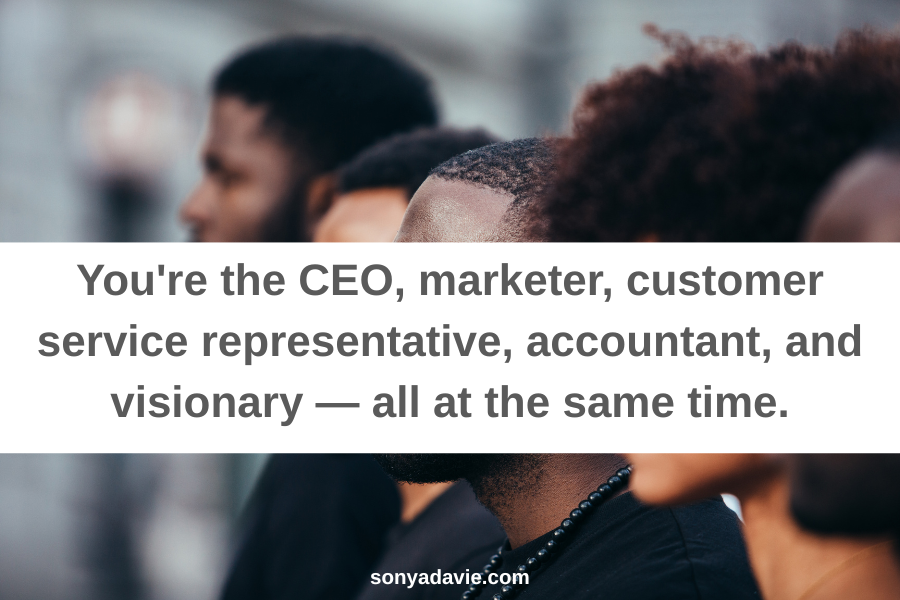
Many Black entrepreneurs are also building generational wealth while navigating barriers that others may never experience. That creates another layer of stress that’s rarely acknowledged.
You tell yourself you’ll rest after the next launch. After the next client. After the next financial goal.
But that moment rarely comes. Without intentional recovery, the passion that inspired your business can slowly turn into exhaustion.
Black Nurses and Healthcare Professionals: Caring for Others While Running on Empty
As someone who works in mental health, I have so much respect for healthcare professionals.
Every day, you’re caring for people during some of the most difficult moments of their lives. You witness trauma, grief, fear, and loss while often putting your own emotional needs aside.
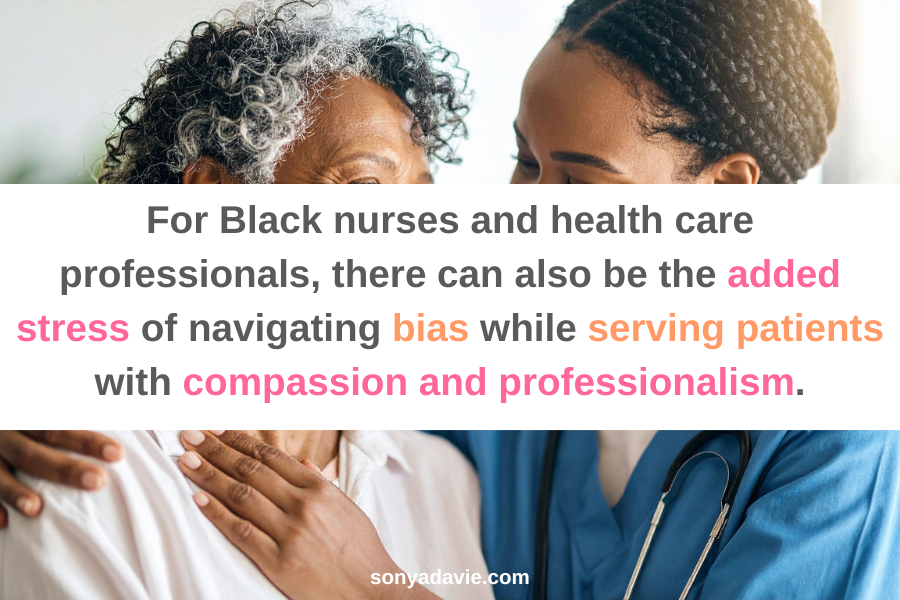
When your job requires you to constantly care for everyone else, it’s easy to forget that you deserve care, too.
Compassion fatigue is real. Burnout is real.
And needing support doesn’t make you weak — it makes you human.
Black Educators: Teaching, Advocating, and Absorbing
Teaching has always been about more than academics. Many educators are mentors, advocates, counselors, and safe spaces for their students.
For Black educators, this responsibility can feel even greater. Students often look to you for understanding, encouragement, and representation while you’re simultaneously navigating increasing demands inside and outside the classroom.
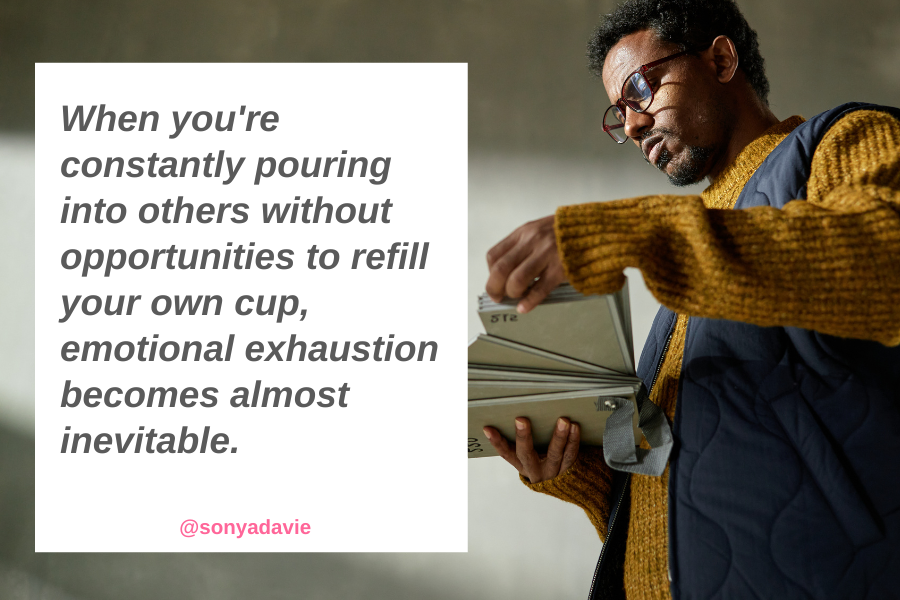
You may still love what you do.
But love alone doesn’t protect you from burnout.
Black Law Enforcement: Walking a Tightrope
Black law enforcement professionals often walk a tightrope between community expectations and institutional culture. You may:
- Witness community trauma, violence, and crisis on a regular basis.
- Experience distrust or anger from the very communities you want to protect.
- Face bias or isolation within your own agency.
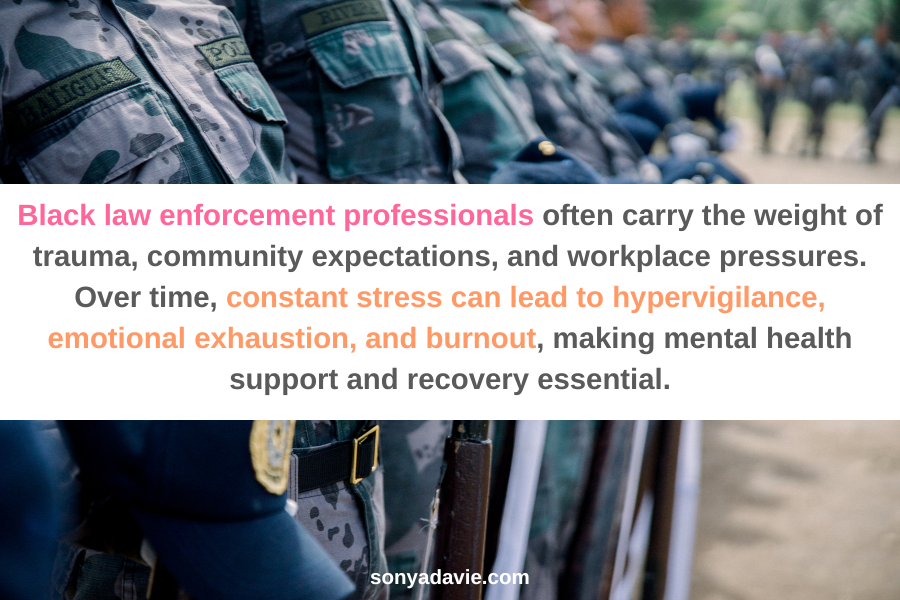
That combination creates a potent mix of:
- Hypervigilance (always on guard, even off duty).
- Emotional numbing as a survival strategy.
- Internal conflict about your role, your safety, and your impact.
Your training may emphasize toughness and composure, but your nervous system records every incident, every split‑second decision, every loss.
Black Ministry Leaders: Shepherds Who Are Also Human
In many Black communities, ministry leaders are pastors, counselors, organizers, and crisis responders all in one.
People call you when there is a death, a divorce, a diagnosis, or a societal trauma.

You may:
- Carry the grief, fear, and pain of multiple families at once.
- Feel pressure to be “on” and spiritually strong 24/7.
- Have few safe spaces to be honest about your own doubt, fatigue, or depression.
When you’re always in the role of shepherd, it becomes easy to forget that your nervous system needs tending, too.
What Emotional Exhaustion Can Look Like (Even When You’re Still Showing Up)
Burnout doesn’t always look dramatic. Sometimes it looks like showing up every day while quietly feeling disconnected from yourself.

- Maybe you’ve become more irritable lately.
- You’re exhausted but can’t seem to sleep.
- You’re accomplishing everything on your to-do list but no longer feeling excited about any of it.
- Small decisions suddenly feel overwhelming.
- Things you once enjoyed don’t bring the same sense of joy.
- Or perhaps you’ve become so accustomed to functioning on autopilot that you don’t even realize how exhausted you’ve become.
Many high achievers don’t recognize burnout until their body forces them to slow down through illness, chronic fatigue, anxiety, or emotional breakdown.
Our bodies often whisper before they scream. The question is whether we’re listening.
Why Many Black Professionals Don’t Ask for Help
One of the biggest misconceptions about self-care is that rest has to be earned.
It doesn’t.
For many Black professionals, asking for help isn’t always easy.
There are real barriers that can make seeking support feel difficult, including:
- Cultural expectations to always be strong, self-sufficient, and resilient.
- Fear that vulnerability could reinforce stereotypes or affect career opportunities.
- Mistrust of healthcare systems shaped by personal and historical experiences of racism.
- Difficulty finding culturally responsive providers who understand their lived experiences.
As a result, many people cope by overworking, striving for perfection, or constantly putting everyone else’s needs first. Those strategies may have helped you survive, but they’re not designed to help you thrive.
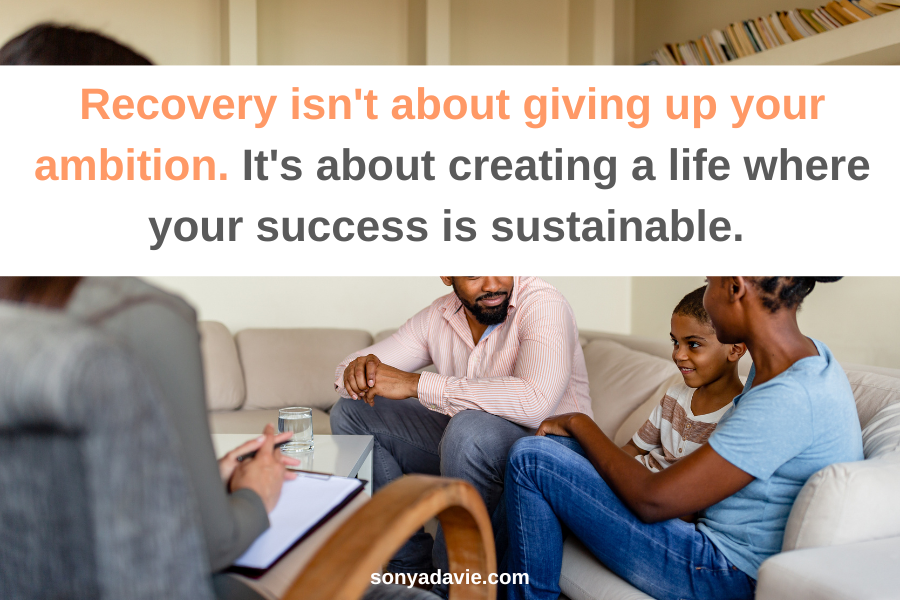
That may mean setting healthier boundaries, taking breaks before you reach burnout, and recognizing when your nervous system needs care instead of another cup of coffee or another late night at work.
As a therapist, I want you to remember this:
Strength isn’t pretending you’re okay when you’re not. True strength is recognizing when you need support — and giving yourself permission to receive it.
You Deserve Success and Peace
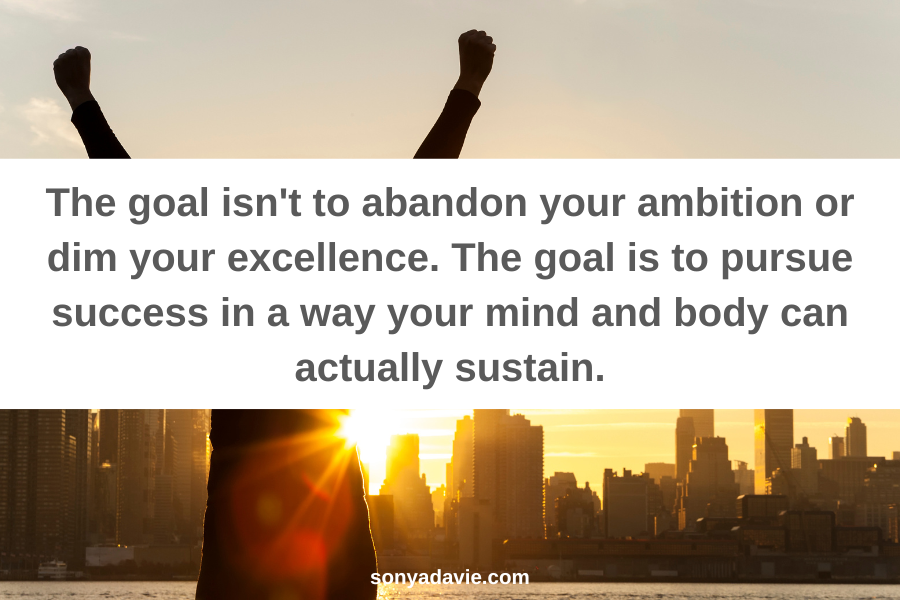
July’s Minority Mental Health Awareness Month reminds us of something we often forget: success and well-being should never compete with one another. You don’t have to choose between thriving professionally and protecting your mental health. You deserve both.
Your accomplishments matter. Your purpose matters. But so does your nervous system.
That starts with small but meaningful shifts:
- Redefine strength. Let strength include rest, healthy boundaries, and asking for help when you need it.
- Listen to your body. Pay attention to early signs of stress like muscle tension, racing thoughts, shallow breathing, or constant fatigue.
- Protect your well-being. Prioritize sleep, movement, nourishing meals, and moments of recovery as essential—not optional.
- Set healthy boundaries. Give yourself permission to say no to unnecessary emotional labor and protect time to recharge.
- Seek culturally responsive support. Work with professionals who understand the impact of racial stress and your lived experiences.
High achievement and emotional well-being are not mutually exclusive. In fact, lasting success depends on caring for both.
If you’ve been feeling emotionally exhausted, constantly overwhelmed, or like you’ve been surviving instead of truly living, consider this your invitation to pause.
Your body isn’t working against you. It’s communicating with you.
When you learn to listen, you create space not only to succeed — but to heal, recover, and truly flourish.
Ready to Begin Your Recovery?
If this blog resonated with you, know this: you are not alone, and you don’t have to keep pushing through on your own.
I created the Stress Recovery Toolkit specifically for high-achieving Black professionals who are tired of running on fumes but don’t want to give up their goals.
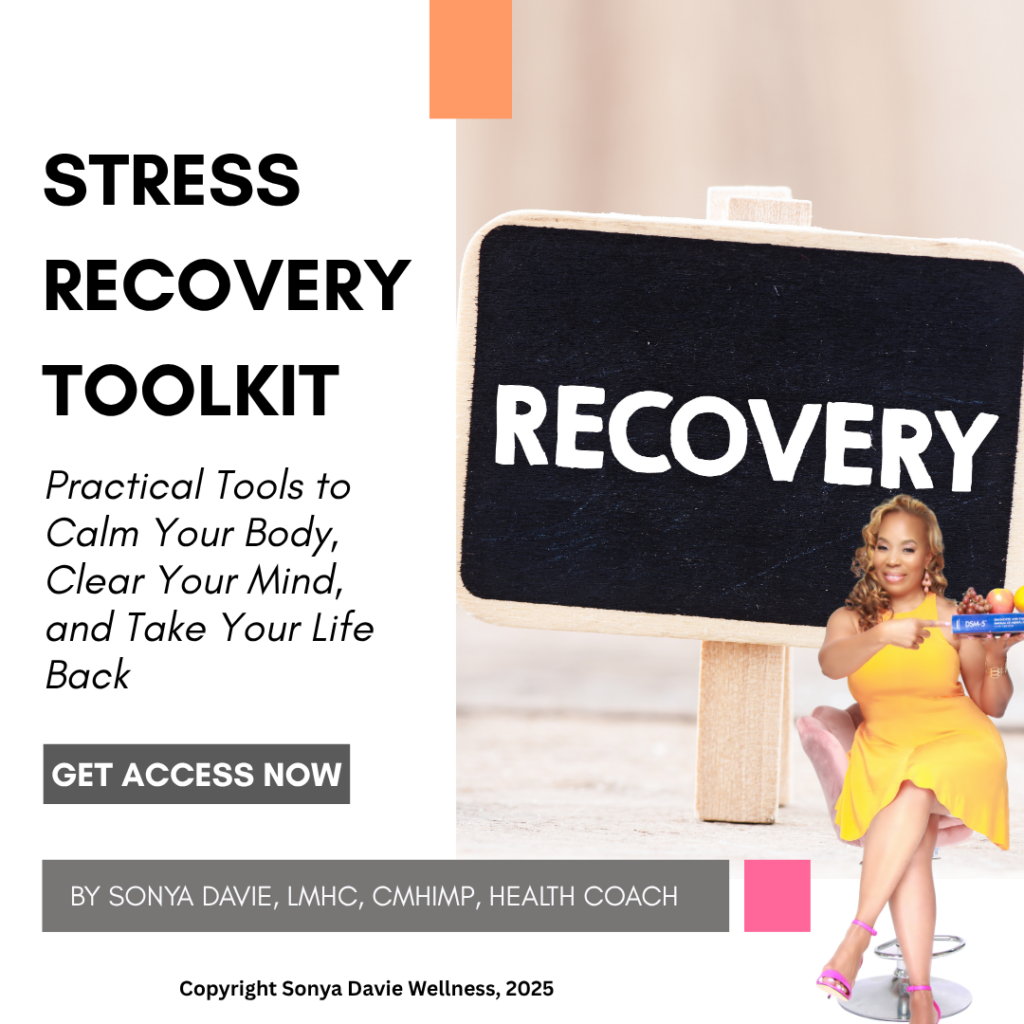
Inside, you’ll learn how to:
- Understand how chronic stress and racialized experiences affect your nervous system.
- Recognize the early signs of burnout before they become overwhelming.
- Use practical, evidence-informed strategies to regulate your nervous system and recover from chronic stress.
- Build sustainable daily habits that protect your energy without sacrificing your ambition.
Because success shouldn’t require sacrificing your health.
You can continue pursuing your goals, caring for your family and community, and making an impact—while also creating space to rest, recover, and thrive.
Success doesn’t protect your nervous system. But with the right tools, you can protect your nervous system while building the life and career you’ve worked so hard to create.
If you’re ready to move from hidden exhaustion to sustainable resilience, the Stress Recovery Toolkit is the perfect place to begin.





+ show Comments
- Hide Comments
add a comment