


By Sonya Davie, LMHC, INHC, CMHIMP · Founder, Sonya Davie Wellness
Stress has become so common that many people assume feeling exhausted, overwhelmed, and mentally drained is simply part of life. But chronic stress isn’t something your body is designed to tolerate indefinitely.
As both a psychotherapist and certified health coach, I’ve worked with countless professionals who appear successful on the outside while quietly struggling with anxiety, burnout, poor sleep, emotional exhaustion, and chronic tension.
The good news? Recovery is possible.
Stress recovery doesn’t require expensive retreats or completely changing your life overnight. It starts with intentionally supporting your nervous system every day through small, evidence-informed habits and tools.
Below are some of my favorite stress recovery essentials that can help you create a calmer, healthier lifestyle.
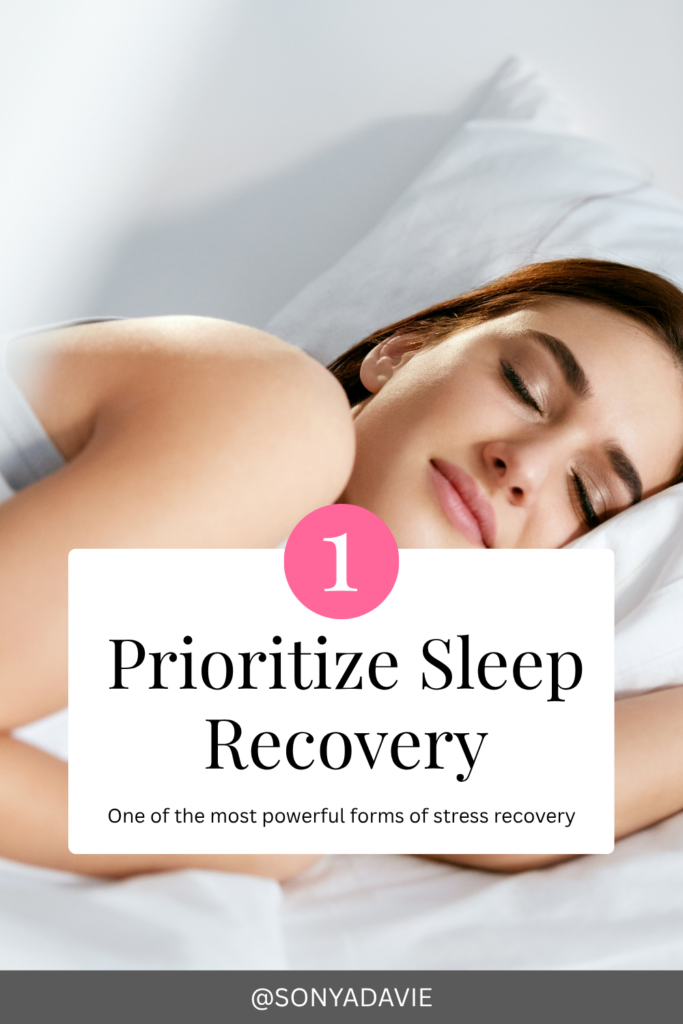
1. Prioritize Sleep Recovery
Sleep isn’t a luxury; it’s one of the most powerful forms of stress recovery.
While you sleep, your brain processes emotions, your nervous system recalibrates, and your body repairs itself. Unfortunately, chronic stress often disrupts sleep, creating a cycle where poor sleep increases stress, and stress makes it even harder to sleep.
If you’re waking up tired, struggling to fall asleep, or lying awake with racing thoughts, your nervous system may be asking for recovery.
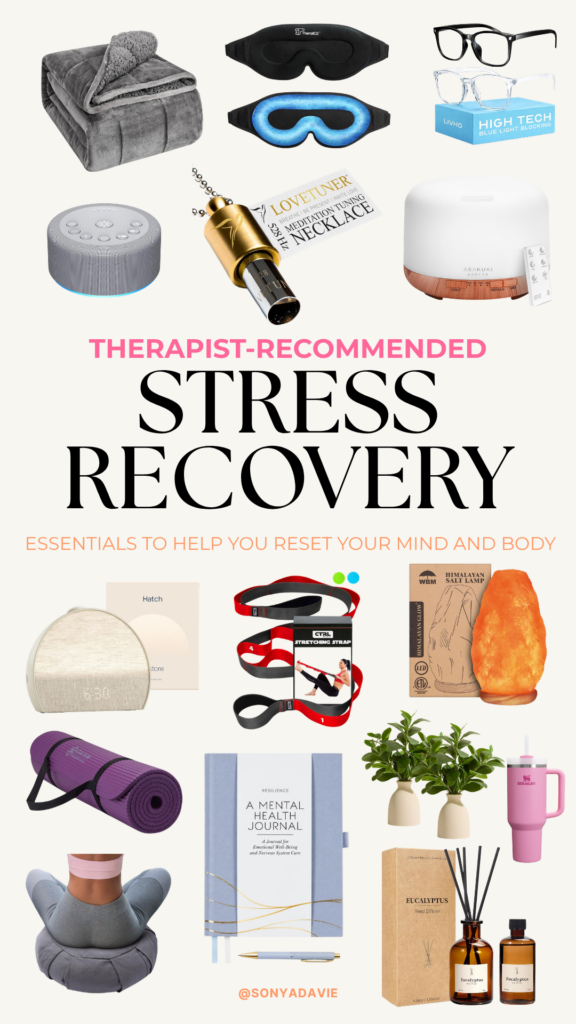
Helpful sleep essentials include:
- Magnesium glycinate
- Weighted blanket
- Sleep mask
- White noise machine
- Breathing necklace
- Sunrise alarm clock
- Blue-light blocking glasses
Note: Always consult with your healthcare provider before starting any new supplement to ensure it is appropriate for your individual needs.
2. Support Your Nervous System
Many people think stress recovery means simply “relaxing.”
In reality, recovery involves helping your nervous system shift from survival mode into a state where healing can occur.
Consider adding:
- Guided breathing tools & exercises
- Meditation cushion
- Essential oil diffuser
- Calm music playlists
- Journaling practice
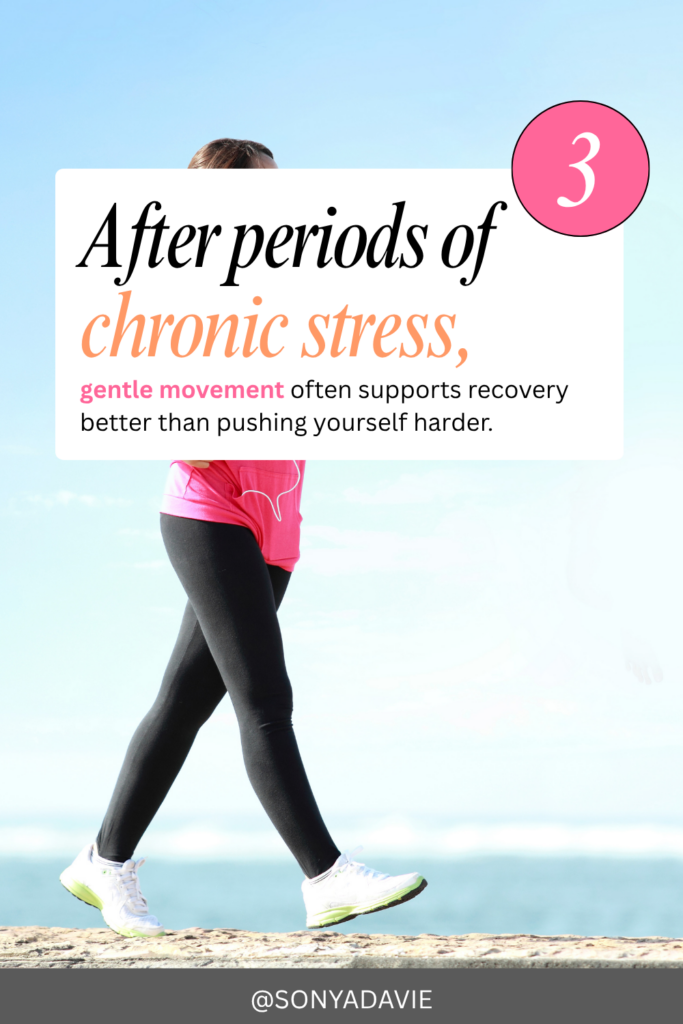
3. Move Your Body… Gently
Exercise doesn’t always have to be intense.
In fact, after periods of chronic stress, gentle movement often supports recovery better than pushing yourself harder.
Ideas include:
- Daily walks – Walking Pad
- Stretching
- Yoga
- Resistance bands
- Foam rolling
4. Nourish Your Brain
Your brain requires quality nutrition to manage stress effectively.
Certain nutrients support healthy brain function and resilience during stressful seasons.
Helpful options include:
- Omega-3 fish oil
- Protein-rich snacks
- Electrolytes
- Herbal teas
- Reusable Water Bottle
- Blood sugar-friendly foods
5. Create a Calm Environment
Your surroundings influence how your nervous system responds throughout the day.
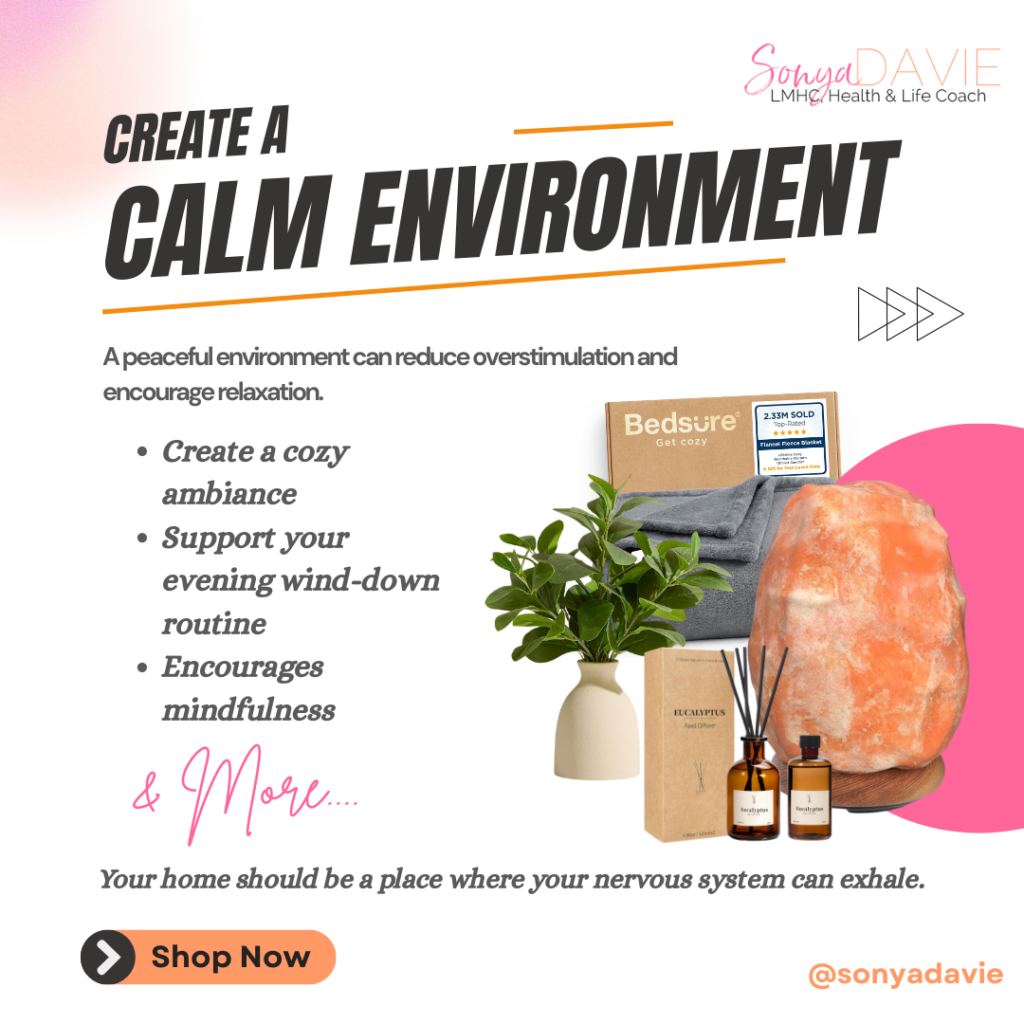
A peaceful environment can reduce overstimulation and encourage relaxation.
Ideas include:
- Soft lighting
- Cozy blankets
- Plants
- Candles
- Decluttering one small space
Amazon Favorites
6. Reduce Digital Overload
Taking intentional breaks from technology gives your mind the opportunity to recover.

Helpful tools include:
- Daily planner
- Kindle
- Adult coloring books
- Reading light
- Screen-free hobbies
7. Make Stress Recovery Part of Your Daily Routine
Recovery isn’t something you do only after burnout.
It’s something you practice before stress becomes overwhelming.
Even five to ten minutes each day can help regulate your nervous system.
Try creating a simple daily reset:
- Five minutes of deep breathing
- Ten-minute walk outside
- Stretch before bed
- Read instead of scrolling
- Practice gratitude
- Aim for a consistent bedtime
Small, consistent habits often have the greatest long-term impact.
Build Your Personal Stress Recovery Toolkit
No single product can eliminate stress, but the right combination of healthy habits, supportive tools, and evidence-based strategies can make a meaningful difference.
If you’re ready to go beyond quick fixes, I’ve created my Stress Recovery Toolkit to help you build lasting resilience.
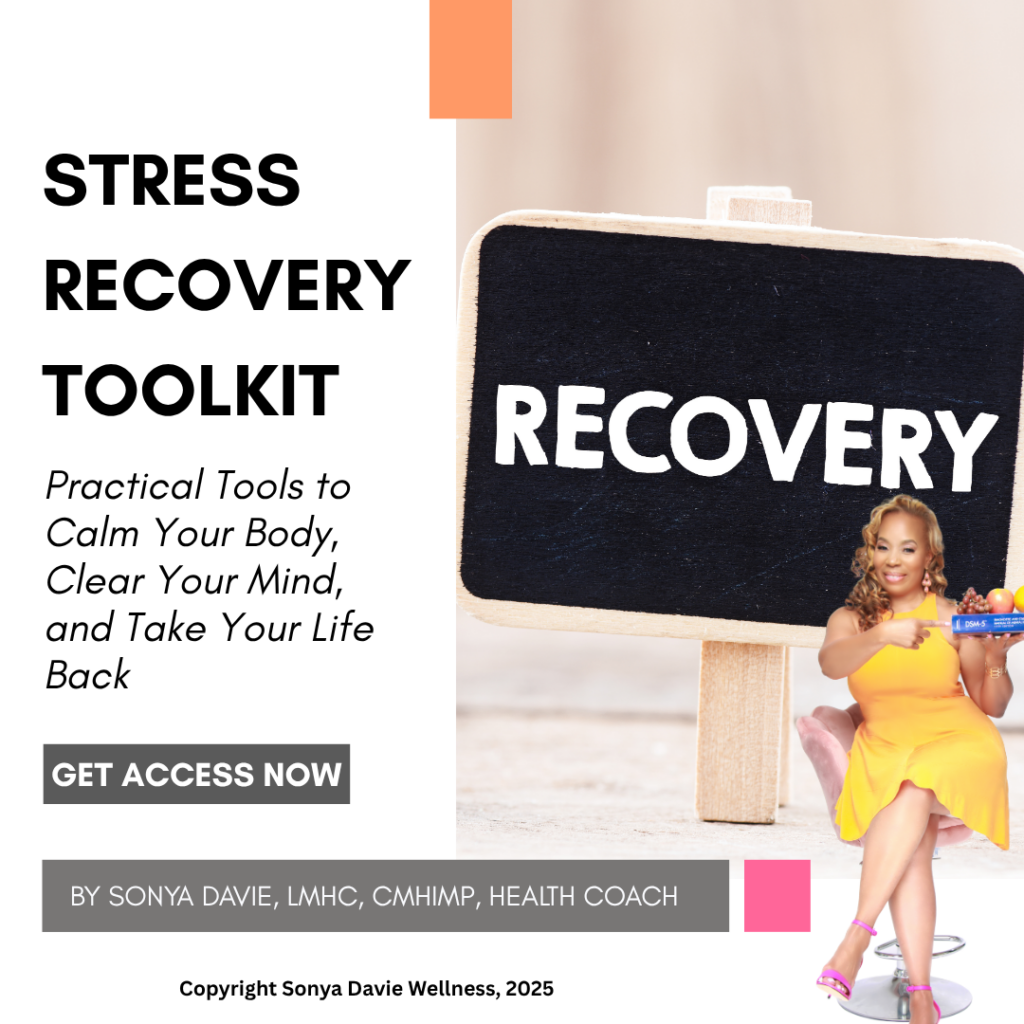
Inside, you’ll learn practical, therapist-informed strategies to:
- Understand how chronic stress affects your mind and body
- Calm your nervous system
- Improve sleep quality
- Build healthier daily routines
- Prevent burnout before it starts
- Develop sustainable stress recovery habits
Whether you’re navigating work stress, caregiving, emotional exhaustion, or simply feeling overwhelmed, this toolkit will help you move from surviving to thriving.
My Final Thoughts as a Therapist…
Over the years, I’ve learned that recovery isn’t about doing everything perfectly. It’s about creating small, consistent practices that give your mind and body the support they need to heal, regulate, and restore.
You don’t have to change everything overnight.
Start with one new habit. Add one supportive tool to your routine. Prioritize one extra hour of sleep this week. These small choices may seem simple, but over time, they become the foundation for a healthier, calmer, and more resilient life.
I want to remind you that your nervous system isn’t asking you to push harder, do more, or carry everything alone. It’s asking for safety, rest, and the opportunity to recover.
Your healing begins with small moments of care…
One choice, one habit, and one day at a time.





+ show Comments
- Hide Comments
add a comment