


By Sonya Davie, LMHC, INHC, CMHIMP — from an integrative & functional psychiatry–informed perspective
Imagine changing nothing about your mental health treatment. Same medication. Same therapy. Same sleep and exercise habits. The only thing that changes is what’s on your plate.
And your depression and anxiety scores go down.
That’s what a small new trial published in JAMA Psychiatry on September 23, 2026, found when adults with depression reduced their intake of ultra-processed foods.
It’s early research, and the study was small. But it’s the first study of its kind.
It points straight at a question standard mental health care rarely asks: What are you eating?
First, what counts as ultra-processed food?
Ultra-processed foods (UPFs) are industrially formulated products made largely from extracted or manufactured ingredients, often combined with additives you wouldn’t typically use in a home kitchen.
These may include emulsifiers (which help ingredients like oil and water stay mixed), preservatives, artificial flavors and colors, and high-fructose corn syrup.
Packaged snacks, sodas, sweetened cereals, and many ready-to-eat meals fall into this category.
The study: 20 people, two diets, one comparison
Researchers at the University of California, San Francisco, enrolled 20 adults whose primary diagnosis was depression. Nineteen completed the study.
Who participated?
- Everyone ate a high amount of ultra-processed food.
- Everyone had metabolic dysregulation, meaning the body’s handling of energy and related processes, such as weight, blood sugar, blood pressure, or cholesterol, was not optimal.
- All 20 participants had high body weight, half had high blood pressure, and about one-third had diabetes.
- About two-thirds were already taking at least one psychiatric medication, and nearly half were in therapy.
Participants agreed not to change their medications, therapy, exercise, or sleep habits during the study.
How did it work?
This was a crossover trial, meaning each participant tried both diets and served as their own comparison. Everyone spent one period following their usual diet and another following a low-ultraprocessed diet. The order was randomly assigned.
What happened?
Ultra-processed food intake dropped sharply, from a screening score of approximately 10 to about 1.4.
Depression and anxiety scores were lower during the low-ultraprocessed food period than during the usual-diet period. This pattern appeared across all four rating scales the researchers used.
On one depression scale, the Montgomery-Åsberg Depression Rating Scale (MADRS), the average score was 8 during the low-ultraprocessed diet period, compared with 19 during the usual-diet period.
Participants rated the change as highly useful, with an average score of 8.4, although they found it only moderately easy, with an average score of 5.7.
There were no adverse events, meaning no harms were reported.
This didn’t come out of nowhere
This new trial builds on years of research linking ultra-processed food consumption with poorer mental health. Much of that research is observational, meaning it tracks patterns in large groups of people but cannot, on its own, establish cause and effect.
Taken together, though, the pattern is hard to ignore!!!
A meta-analysis in Nutrients (2022)
- A meta-analysis combines results from multiple studies. This one found that people who consumed more ultra-processed food had 44% higher odds of depressive symptoms and 48% higher odds of anxiety symptoms. In studies that followed people over time, higher consumption was associated with a 22% higher risk of developing depression later.
An umbrella review in The BMJ (2024)
- An umbrella review brings together findings from multiple reviews. This one examined 45 pooled analyses covering nearly 10 million people. Higher ultra-processed food consumption was associated with poorer health outcomes across several areas, particularly cardiovascular and metabolic health, common mental health conditions such as depression and anxiety, and premature death.
The Nurses’ Health Study II (JAMA Network Open, 2023)
- Researchers followed approximately 32,000 middle-aged women who did not have depression at the beginning of the study. Women who consumed the most ultraprocessed food, roughly nine or more servings daily, had about a 50% higher risk of developing depression than women who consumed four or fewer servings.
- When researchers examined specific food categories, artificially sweetened foods and artificially sweetened beverages stood out.
The SMILES trial (BMC Medicine, 2017)
This was one of the early randomized trials to investigate dietary improvement as part of depression treatment. Adults with moderate to severe depression who received 12 weeks of dietary support from a dietitian, alongside their existing care, experienced significantly greater improvement than those who received social support instead.
There’s also a metabolic connection running through this research. A tightly controlled NIH trial published in Cell Metabolism in 2019 found that participants eating an ultra-processed diet consumed approximately 500 more calories per day and gained weight compared with participants eating an unprocessed diet matched for sugar, fat, and fiber.
Why does this matter for mental health? Because metabolic problems and depression frequently occur together.
How might food affect the brain?
No one has pinned down a direct mechanism yet; the JAMA Psychiatry authors say so plainly. But a 2025 review in Nutrients lays out several pathways researchers are investigating:
Inflammation.
Diets high in ultra-processed foods have been associated with chronic, low-grade inflammation. Inflammatory signaling proteins called cytokines can influence brain processes involved in mood and motivation.
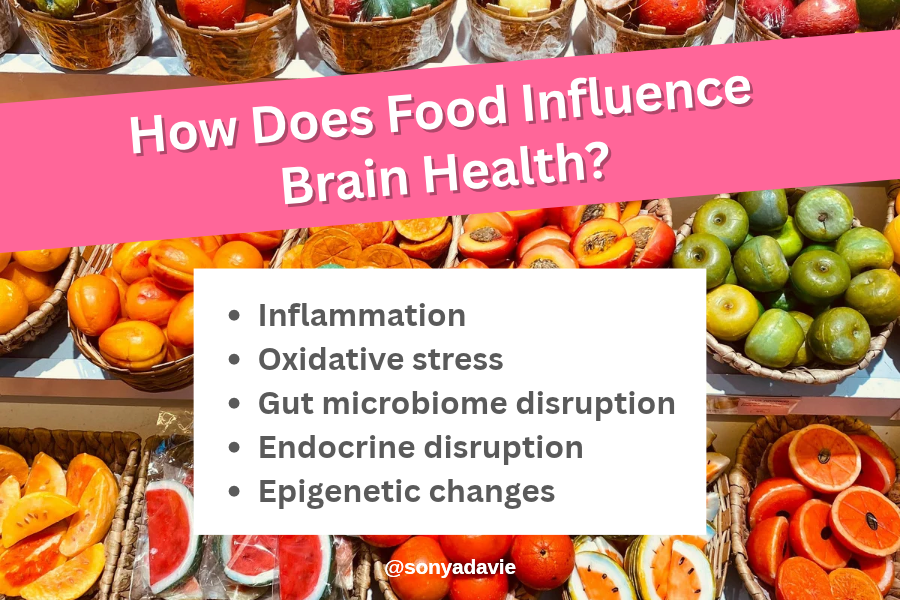
Oxidative stress.
This refers to cellular damage caused by an imbalance between unstable molecules and the body’s ability to neutralize them. The brain is particularly sensitive to this type of stress.
Gut microbiome disruption.
The bacteria in your gut help produce and process compounds that communicate with the brain. This two-way relationship is known as the gut-brain axis. Low-fiber diets and certain food additives may affect this system.
Endocrine disruption.
Some compounds found in highly processed foods may interfere with hormone signaling, although the extent and significance of these effects vary.
Epigenetic changes.
These are changes in how genes are switched on or off without changing the underlying DNA sequence. Researchers are investigating how dietary exposures may influence these processes.
From a Functional Psychiatry perspective, this is why I look beyond symptoms to explore what might be contributing to them.
Blood sugar fluctuations, insulin resistance (when cells respond less effectively to insulin, the hormone that helps move glucose from the bloodstream into cells), and inflammation can all contribute to symptoms that may look like a mood problem.
That doesn’t mean these factors explain every case of depression. It means they’re worth considering as part of a broader assessment.
What a sugar critic sees!
I’ve had the opportunity to speak with Dr. Robert H. Lustig, MD, MSL, more than once, most recently at IMMH in San Diego.

Dr. Lustig is Professor Emeritus of Pediatrics in the Division of Endocrinology at the University of California, San Francisco (UCSF).
- He specializes in neuroendocrinology, the study of how the brain and hormones work together to regulate the body, with a focus on how the central nervous system controls energy balance.
- His research and clinical work have centered on childhood obesity and diabetes.
- He also holds a Master of Studies in Law, which he has used to advocate for food policy reform.
He’s the author of several books, including the New York Times bestseller Fat Chance: Beating the Odds Against Sugar, Processed Food, Obesity, and Disease, The Hacking of the American Mind, and Metabolical.
His lecture, “Sugar: The Bitter Truth,” has received millions of views.
For years, he’s been a prominent critic of added sugar and the food industry.
His case against the food industry is blunt:
- On how our diet changed: “We’ve replaced a real food diet with a processed food diet because it’s cheaper.” He has estimated that about three-quarters of the food in a typical grocery store has added sugar.
- On what processed food does to us: In his book Metabolical, he argues that processed food, loaded largely with added sugar, is both addictive and harmful. He links it to rising rates of obesity, diabetes, heart disease, depression, and more.
- On taking your power back: “If you don’t know how to cook, you are hostage to the food industry.”
In The Hacking of the American Mind, Lustig distinguishes between pleasure and happiness. Dopamine, a neurotransmitter, plays an important role in reward and motivation, while serotonin is involved in regulating mood and other functions.
His broader argument is that a food environment designed to encourage repeated consumption may keep us chasing short-term pleasure without necessarily supporting lasting well-being.
He also emphasizes what he calls the “four Cs”: connect, contribute, cope, and cook.
And that last one brings us right back to the plate.
The honest part
I’d be doing you a disservice if I oversold these findings. The researchers identified several important limitations.
1. The study was small and unblinded.
Only 20 people enrolled, and participants knew which diet they were eating. Mood was not the primary outcome; the main goal was to assess whether participants could adhere to the dietary intervention.
That means the mood findings are an early signal, not proof that reducing ultra-processed food treats depression.
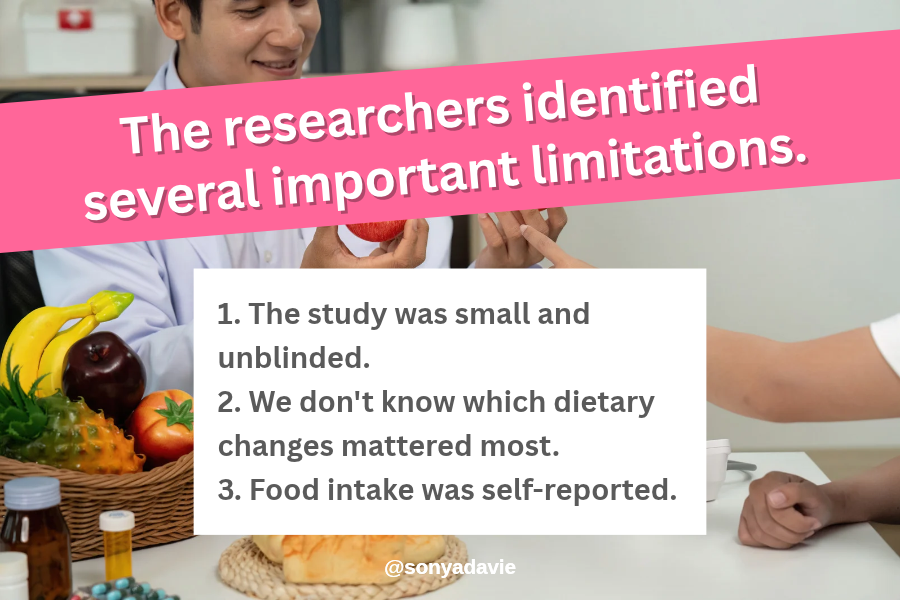
2. We don’t know which dietary changes mattered most.
Was it less sugar? Fewer calories? Changes in fat intake? Fewer additives? Something else about the overall dietary pattern?
The study cannot tell us which factors were responsible for the differences in mood scores.
3. Food intake was self-reported.
Researchers relied on participants’ reports rather than an objective measure of everything they ate. This introduces the possibility of recall errors and inaccurate reporting.
There’s another important consideration in the broader research: the relationship may work in both directions.
People experiencing depression may be more likely to reach for convenient or comforting ultraprocessed foods, rather than ultraprocessed food being the only factor contributing to their depression.
Larger, more rigorous trials are needed to help clarify the relationship.
Where the Science is heading!
Researchers are continuing to investigate how ultraprocessed foods may affect the brain and mental health.
The emerging evidence suggests that diet may be one contributing factor alongside genetics, stress, sleep, social circumstances, and other biological influences. It is not a single explanation for depression.
Studies like this one are an early step toward larger and more rigorous trials that can help researchers understand what’s driving the association, how dietary changes may influence symptoms, and who might benefit most.
For me, this is another reason to keep asking questions about the connection between mental and physical health.
When someone is struggling with depression, it may be worth looking beyond the symptoms and considering the broader picture, including nutrition, metabolic health, inflammation, sleep, hormones, and stress.
Not because food is the answer to everything, but because it is one piece of the picture we shouldn’t automatically overlook.
Make the shift easier
Knowing what to change is one thing. Having practical tools to make those changes more manageable is another.
Here are some books and kitchen essentials I recommend, all available through my Amazon store.
Books to go deeper:
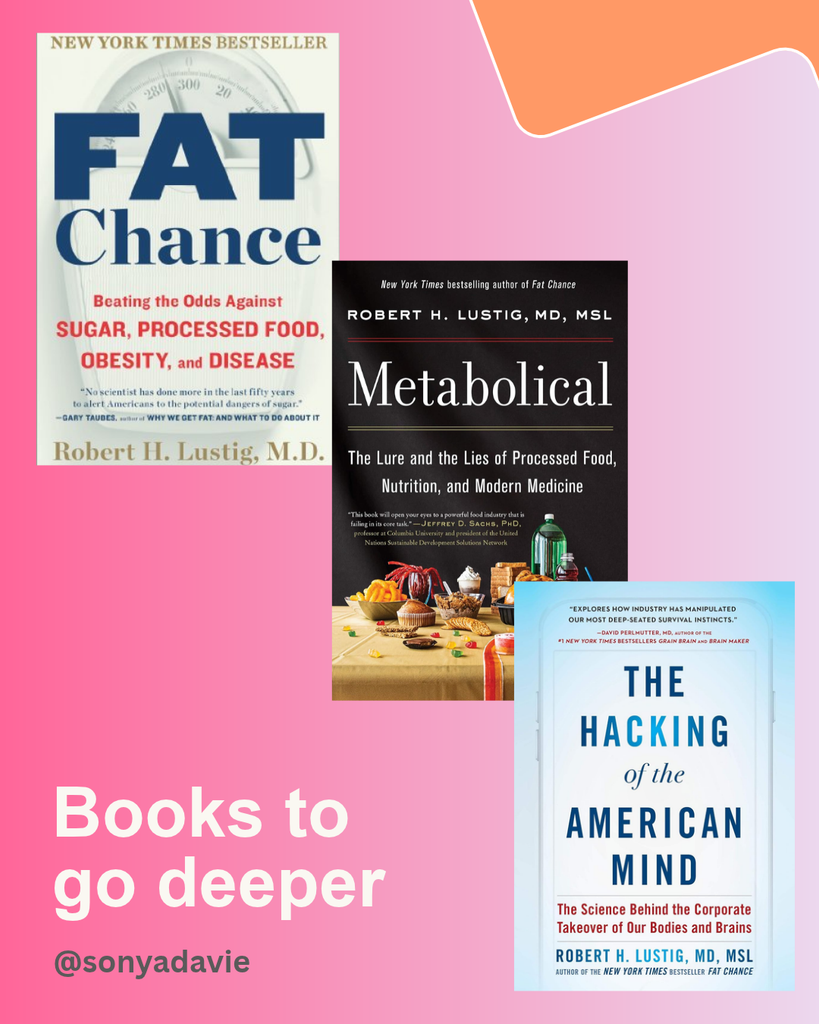
Fat Chance, Metabolical, and The Hacking of the American Mind by Dr. Robert Lustig
These books explore the connections between sugar, processed food, metabolism, and health. They’re a place to start if you’d like to understand more about his perspective on how our food environment affects the body and brain.
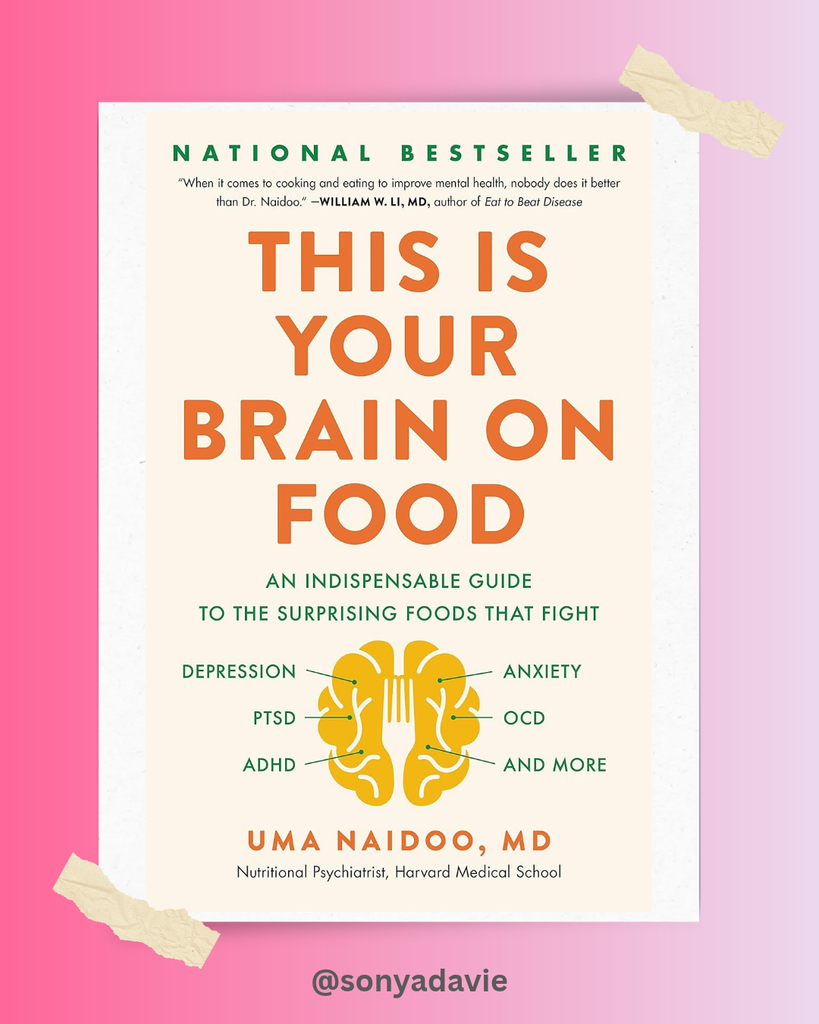
This Is Your Brain on Food by Dr. Uma Naidoo
A nutritional psychiatrist’s guide to the ways food choices may influence mood, anxiety, and focus.
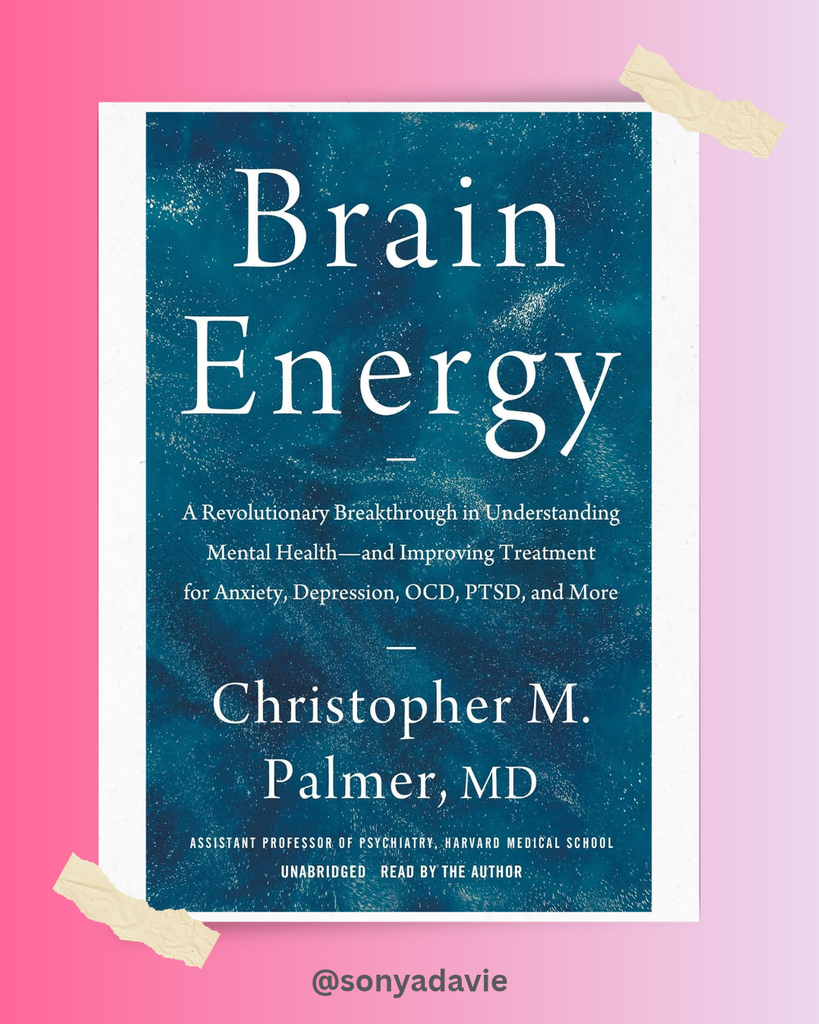
Brain Energy by Dr. Christopher Palmer
A Harvard psychiatrist’s perspective on the relationship between metabolism and mental health, including his argument that metabolic dysfunction plays a central role in mental illness.
Kitchen tools that can make cooking easier
Instant Pot or Slow Cooker
Prepare a meal in the morning and come home to something ready to eat. Having a meal prepared ahead of time can make it easier to choose home-cooked food instead of relying on packaged convenience meals.

Vegetable chopper
A simple tool that can reduce preparation time and make cooking with fresh vegetables more manageable.
Sparkling water maker
An option for making plain water more appealing and reducing your reliance on soda or other sweetened drinks. This may be particularly useful if you’re trying to cut back on artificially sweetened beverages, which were among the food categories associated with depression risk in the Nurses’ Health Study II.
Disclaimer: As an Amazon Associate, I earn from qualifying purchases at no additional cost to you.
This post is for educational purposes only and is not medical advice. Please consult your healthcare provider before making significant dietary changes or changing any part of your treatment plan.
References
Chagwedera, D. N., Kim, E., Chiu, D. T., et al. (2026). Reducing ultraprocessed foods from the diets of patients with depression: A pilot crossover trial. JAMA Psychiatry. https://doi.org/10.1001/jamapsychiatry.2026.2320
Lane, M. M., Gamage, E., Travica, N., et al. (2022). Ultra-processed food consumption and mental health: A systematic review and meta-analysis of observational studies. Nutrients, 14(13), 2568. https://doi.org/10.3390/nu14132568
Lane, M. M., Gamage, E., Du, S., et al. (2024). Ultra-processed food exposure and adverse health outcomes: Umbrella review of epidemiological meta-analyses. BMJ, 384, e077310. https://doi.org/10.1136/bmj-2023-077310
Samuthpongtorn, C., Nguyen, L. H., Okereke, O. I., et al. (2023). Consumption of ultraprocessed food and risk of depression. JAMA Network Open, 6(9), e2334770.
Jacka, F. N., O’Neil, A., Opie, R., et al. (2017). A randomised controlled trial of dietary improvement for adults with major depression (the SMILES trial). BMC Medicine, 15, Article 23. https://doi.org/10.1186/s12916-017-0791-y
Hall, K. D., Ayuketah, A., Brychta, R., et al. (2019). Ultra-processed diets cause excess calorie intake and weight gain: An inpatient randomized controlled trial of ad libitum food intake. Cell Metabolism, 30(1), 67–77. https://doi.org/10.1016/j.cmet.2019.05.008
Lutz, M., Arancibia, M., Moran-Kneer, J., & Manterola, M. (2025). Ultraprocessed foods and neuropsychiatric outcomes: Putative mechanisms. Nutrients, 17(7), 1215. https://doi.org/10.3390/nu17071215
Mazloomi, S. N., Talebi, S., Mehrabani, S., et al. (2023). The association of ultra-processed food consumption with adult mental health disorders: A systematic review and dose-response meta-analysis of 260,385 participants. Nutritional Neuroscience, 26(10), 913–931. https://doi.org/10.1080/1028415X.2022.2110188
Lustig, R. H. (2021). Metabolical: The lure and the lies of processed food, nutrition, and modern medicine. Harper Wave.
Lustig, R. H. (2017). The hacking of the American mind: The science behind the corporate takeover of our bodies and brains. Avery.
Lustig, R. (n.d.). How worried should we be about sugar? TED Radio Hour. NPR.
Premier Health. (2015, October 26). Dr. Lustig presents at the 2015 McGraw Cancer Awareness Symposium.
World Economic Forum. (n.d.). Robert H. Lustig, MD, MSL: Author biography.





+ show Comments
- Hide Comments
add a comment