


By Sonya Davie, LMHC, INHC, CMHIMP · Founder, Sonya Davie Wellness
Have you ever wandered through a farmers market and thought, I really should eat more of this?
I know I have. In fact, I love spending Saturday mornings at my local farmers market.
There’s something grounding about strolling past baskets of vibrant vegetables, fresh herbs, colorful berries, and locally grown foods. It reminds me that what we eat doesn’t just nourish our bodies, it nourishes our brains, too.

As a psychotherapist trained in Functional Psychiatry, I often remind my clients that mental health isn’t just about what’s happening in our minds. It’s also about what’s happening in our bodies.
Our brains require a steady supply of nutrients to regulate mood, support memory, improve focus, and help us respond to stress.
When those nutritional needs aren’t being met, it can become harder for the nervous system to function at its best.
The evidence supporting nutrition’s role in mental health continues to grow.
While food is always the foundation, sometimes we need additional support. That’s where nutraceuticals come in.
I think of them as sitting between food and medicine, targeted nutritional support that complements therapy, healthy lifestyle habits, and, when appropriate, prescription medication. They’re not quick fixes, but they can be one more evidence-informed tool to support mental wellness.
What Are Nutraceuticals, Really?
The word nutraceutical combines the words nutrition and pharmaceutical.
Simply put, nutraceuticals are concentrated forms of nutrients or naturally occurring compounds found in foods and plants that support health beyond basic nutrition.
Rather than thinking of them as “just supplements,” I like to think of them as targeted nutritional support for the brain.
Depending on your individual needs, nutraceuticals may help:
- Provide essential building blocks for healthy brain function
- Support neurotransmitter production involved in mood and focus
- Reduce inflammation associated with chronic stress
- Promote healthy sleep, emotional regulation, and energy
- Help fill nutritional gaps that diet alone may not fully address
Although they’re derived from food or plants, nutraceuticals are biologically active. That’s why I encourage working with a qualified healthcare professional before adding new supplements, especially if you’re taking medications or managing a medical condition.
How Nutraceuticals Support Mental Health
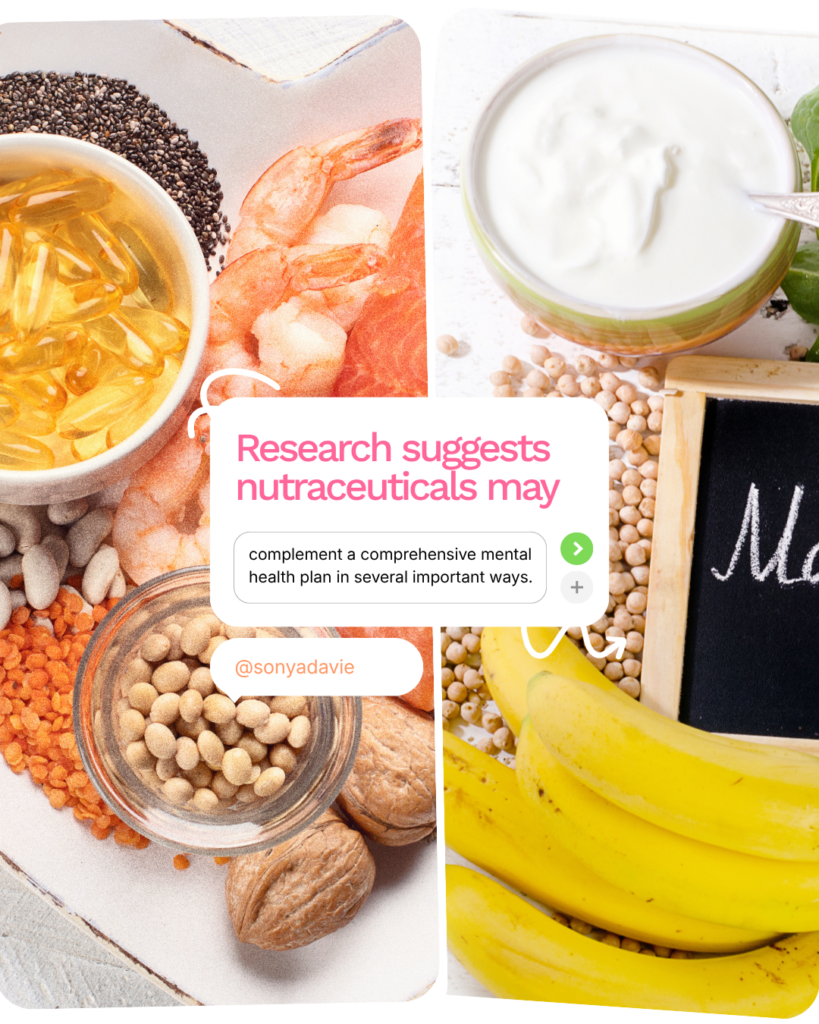
Research suggests nutraceuticals may complement a comprehensive mental health plan in several important ways.
#1 Supporting Healthy Brain Chemistry
Our brains rely on neurotransmitters, chemical messengers such as serotonin, dopamine, and GABA to regulate mood, motivation, attention, and sleep. Many nutrients provide the building blocks needed to produce these chemicals efficiently. When nutritional deficiencies exist, supporting those needs may improve overall brain function and emotional well-being.
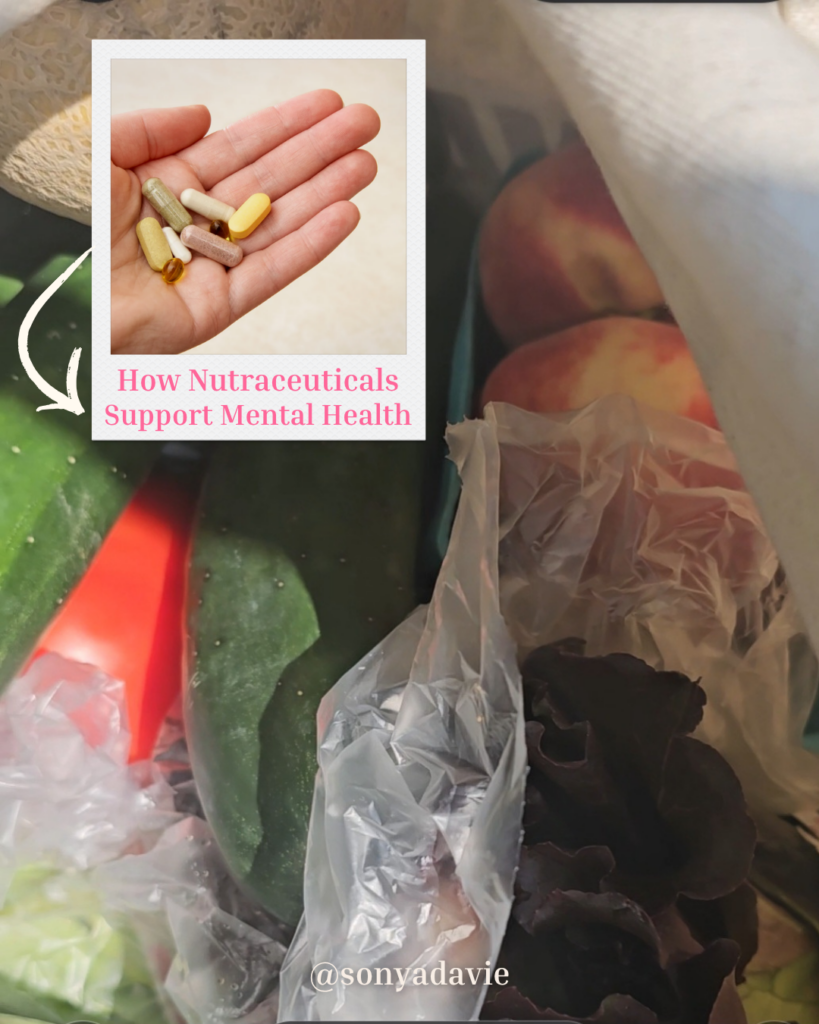
#2 Calming Inflammation and Chronic “Brain” Stress
Chronic stress, blood sugar swings, poor sleep, and environmental toxins can all irritate the brain over time. Certain nutraceuticals help cool down this “background inflammation,” which can ease symptoms like low mood, brain fog, and irritability.
#3 Nourishing the Gut-Brain Connection
The gut and brain are constantly communicating through the gut-brain axis. When digestion is disrupted, or the balance of healthy gut bacteria changes, mood, anxiety, and cognitive function may also be affected. For some individuals, targeted nutraceuticals that support digestive health can positively influence emotional well-being.
#4 Filling Nutritional Gaps
Even people who eat relatively healthy diets can develop nutrient deficiencies. Busy schedules, chronic stress, digestive issues, certain medications, restrictive eating patterns, and aging can all affect nutrient absorption. When nutritional gaps are identified, targeted supplementation may help restore the nutrients the brain depends on every day.
Two Nutraceuticals Frequently Used in Mental Health Care
Among the many nutraceuticals being studied, omega-3 fatty acids and magnesium are two of the most researched.
Omega-3 Fatty Acids
Omega-3s are healthy fats found in foods such as salmon, sardines, walnuts, flaxseeds, and chia seeds. These essential fats help maintain healthy brain cell membranes, support communication between brain cells, and play an important role in regulating inflammation.
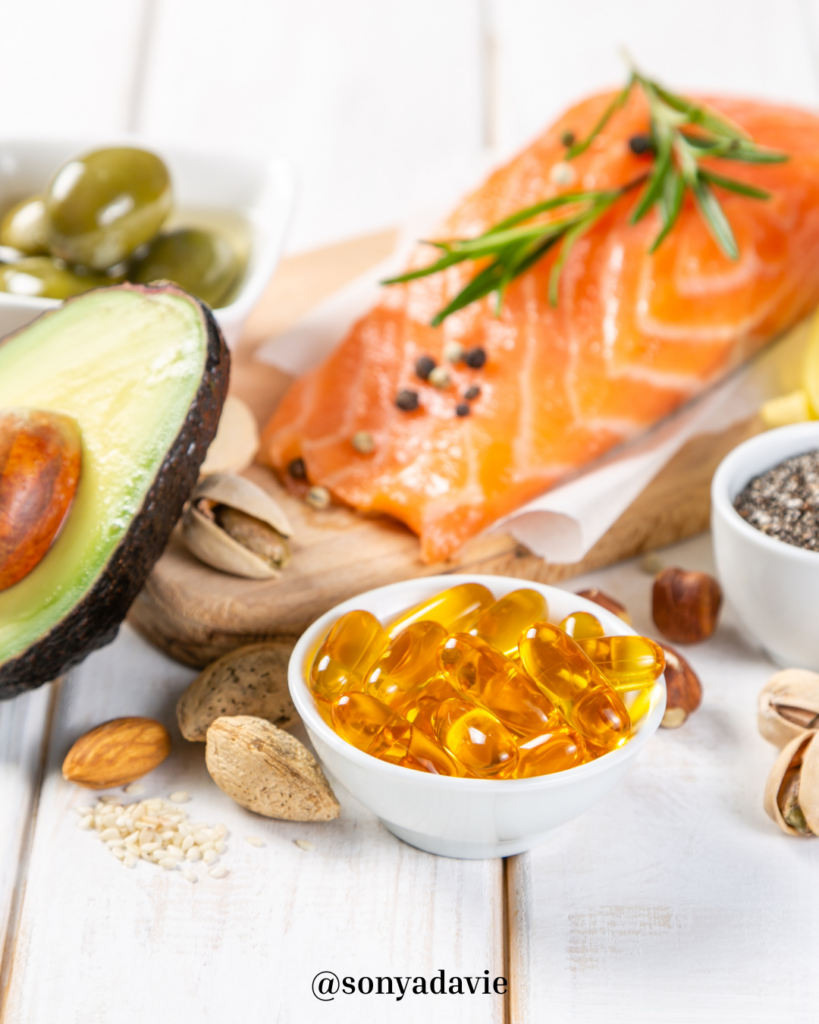
Research suggests omega-3 fatty acids, particularly EPA, may help support people experiencing symptoms of depression, attention difficulties, and mood instability when used as part of a comprehensive treatment plan. Many people simply don’t consume enough omega-3-rich foods, making supplementation a reasonable option in some cases.
Magnesium
Magnesium is involved in hundreds of biochemical processes throughout the body and plays an important role in sleep, stress regulation, muscle relaxation, and healthy nerve signaling.
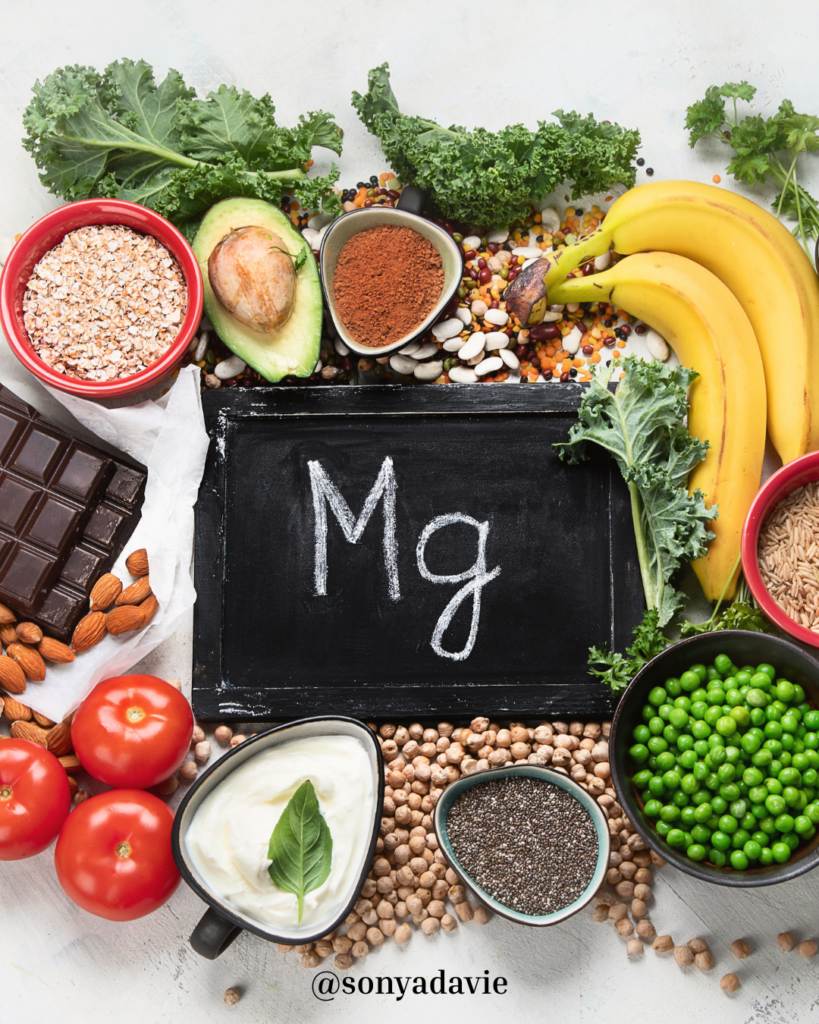
Chronic stress can increase the body’s demand for magnesium, while modern diets often provide less than optimal amounts. When appropriate, magnesium may help promote relaxation, improve sleep quality, reduce muscle tension, and support a calmer nervous system.
Where Nutraceuticals Fit Into a Healing Plan
One of the biggest misconceptions about supplements is that they’re a shortcut.
They’re not.
In my practice, I view nutraceuticals as one piece of a much larger picture.
They may be worth considering if
- You’re already in therapy and doing the inner work but still feel “stuck” and wonder if your biology needs more support.
- You’re taking medication and want to explore gentle options that might complement your current treatment.
- You live with chronic stress, trauma, or burnout and are ready to care for your nervous system on multiple levels — body, mind, and environment.
- You’ve noticed patterns like brain fog, low energy, mood dips, or sleep struggles that seem connected to what and how you eat.

Whenever possible, I like to begin with food: stabilizing blood sugar, eating more colorful fruits and vegetables, incorporating healthy fats, supporting gut health, staying hydrated, and reducing ultra-processed foods.
Those foundational habits often have a profound impact.
Only then do we consider whether one or two carefully selected nutraceuticals might provide additional support. More isn’t always better; a thoughtful, individualized approach is usually far more effective than filling an entire cabinet with supplements.
A Few Important Safety Considerations
Because nutraceuticals are available without a prescription, it’s easy to assume they’re automatically safe.
That’s a common misconception.
“More” isn’t always better
Taking higher and higher doses doesn’t guarantee better results and can sometimes lead to side effects, nutrient imbalances, or interactions with medications.
They can interact with prescription meds
Some plant‑based products and concentrated nutrients change how your body processes medications or affect blood pressure, blood sugar, or blood‑thinning medicines. It’s important to share everything you’re taking with your prescribing clinician.

Quality Matters
Not all products are tested for purity or potency. Working with a clinician who knows trusted brands and appropriate dosing can reduce risk and increase the chance you’ll actually feel a benefit.
They’re not a replacement for needed care
Nutraceuticals shouldn’t be used to avoid medication or therapy when those are clearly indicated, especially in more severe depression, bipolar disorder, psychosis, or high‑risk situations. They’re a possible addition, not a workaround.
A More Compassionate Way to Think About Nutraceuticals
Rather than viewing nutraceuticals as quick fixes, think of them as one form of nourishment.
Instead of viewing nutraceuticals as quick fixes, it can help to reframe them as part of nervous system nourishment:
- Food as the foundation
- Movement, breath, and somatic practices as regulation tools
- Sleep and boundaries as daily medicine
- Community and connection as emotional nutrients
- And, when appropriate, carefully chosen nutraceuticals as extra support for a brain that’s working very hard

In this integrated model, nutraceuticals are not about “bio‑hacking” yourself into productivity — they’re about giving your nervous system what it needs to feel safer, steadier, and more resourced while you heal.





+ show Comments
- Hide Comments
add a comment